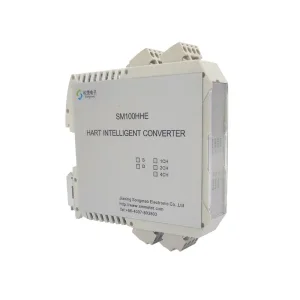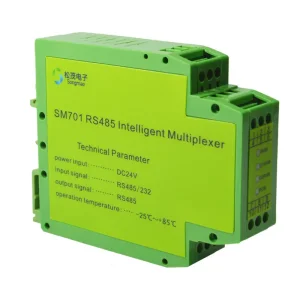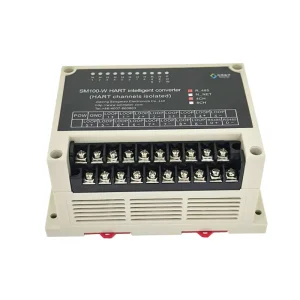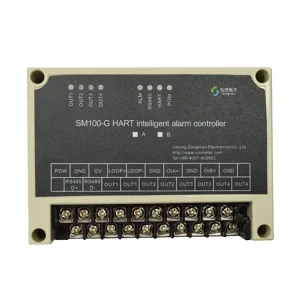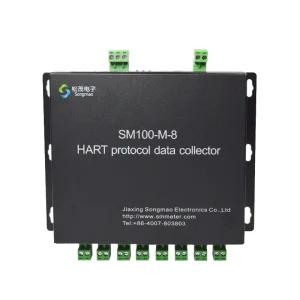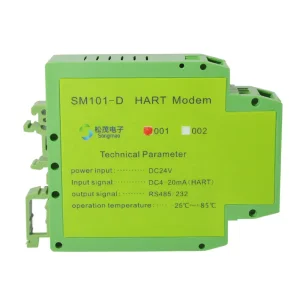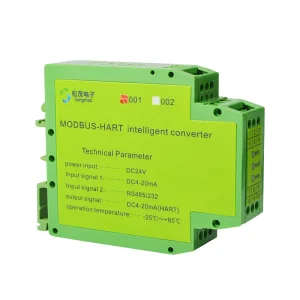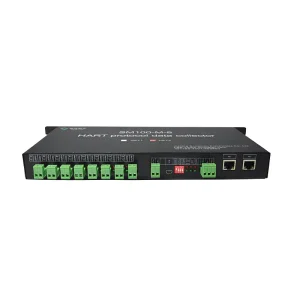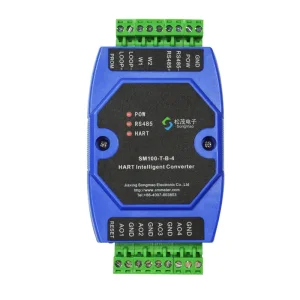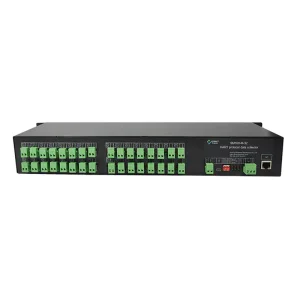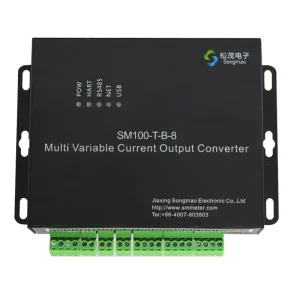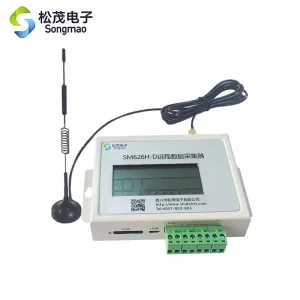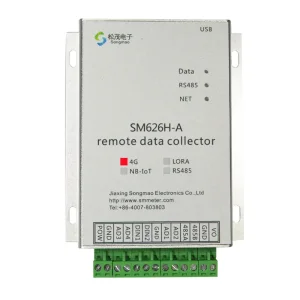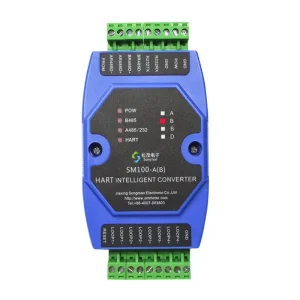
In the rapidly transforming landscape of the Industrial Internet of Things (IIoT), the bridge between legacy field devices and modern enterprise networks has become the most critical infrastructure. The Gateway Modbus RTU to Ethernet/IP stands at this intersection, facilitating a seamless dialogue between serial-based instruments and high-speed industrial Ethernet. Historically, Modbus RTU has been the bedrock of industrial communication due to its simplicity and robustness. However, as "Industry 4.0" demands real-time analytics and cloud integration, the need for Ethernet/IP—a protocol that utilizes standard Ethernet hardware and Common Industrial Protocol (CIP)—has skyrocketed.
Modern industrial gateways are no longer simple protocol converters; they are edge-computing nodes. By converting asynchronous serial data into encapsulated TCP/IP packets, these devices enable remote monitoring, predictive maintenance, and vertical integration from the sensor level to the ERP system. For global procurement managers, identifying a supplier that provides both hardware reliability and protocol expertise is paramount for mitigating downtime risks.
When sourcing Gateway Modbus RTU Ethernet/IP suppliers, global enterprises are shifting away from general distributors toward direct-factory partnerships. The reasons are multifaceted: Cost-Efficiency, Technical Support Depth, and Customization Capabilities (ODM). A factory-direct relationship, such as with Songmao Electronics, ensures that the communication firmware is optimized for specific local network conditions and electromagnetic interference levels. In the context of global supply chain disruptions, having a supplier with a vertically integrated manufacturing process—from PCB design to final assembly—provides a strategic buffer against lead-time volatility.
China has redefined its role from a "world's factory" to a "world's smart lab." The industrial automation sector in China, particularly in Jiaxing and surrounding electronics hubs, benefits from a dense ecosystem of high-tech components and specialized talent. Songmao Electronics, established in 2007, exemplifies this transition. With 18 years of R&D in HART and Modbus protocols, the company leverages China's advanced manufacturing infrastructure to offer industrial-grade converters that meet CE and ISO standards at wholesale prices.
The "Resilience Advantage" of Chinese factories lies in their ability to rapidly scale production. Whether a client needs a single multi-channel HART to Modbus-TCP gateway for a pilot project or thousands of units for a national smart-grid rollout, the agility of the Chinese supply chain ensures consistent quality control and rapid prototyping. Efficiency is further bolstered by the integration of AI-driven QC systems that inspect every gateway for protocol compliance before shipping.
The application of Modbus to Ethernet/IP gateways varies significantly across geographic regions. In North America, the focus is heavily on Oil & Gas automation and water treatment facilities where remote telemetry is essential. In Europe, the Smart Energy and heating sectors utilize these gateways to integrate solar and wind inverter data into centralized building management systems (BMS).
Real-time pressure and flow monitoring using HART to Modbus converters in remote pipeline stations, ensuring safety and leak detection.
Integrating HVAC systems and energy meters into a unified Ethernet network for centralized carbon footprint tracking.
Managing multi-channel RS485 distributors for widespread sensor arrays in municipal desalination plants.
SONGMAO Electronic Co., Ltd. was established in 2007. We are a high-tech enterprise integrating R&D, production, and sales, specializing in HART protocol communication products and industrial data collectors. Our commitment to technological innovation has positioned us as a leader in the industrial automation field.


MODBUS TCP is a widely used serial communication protocol in industrial environments. Learn the step-by-step setup for seamless integration.
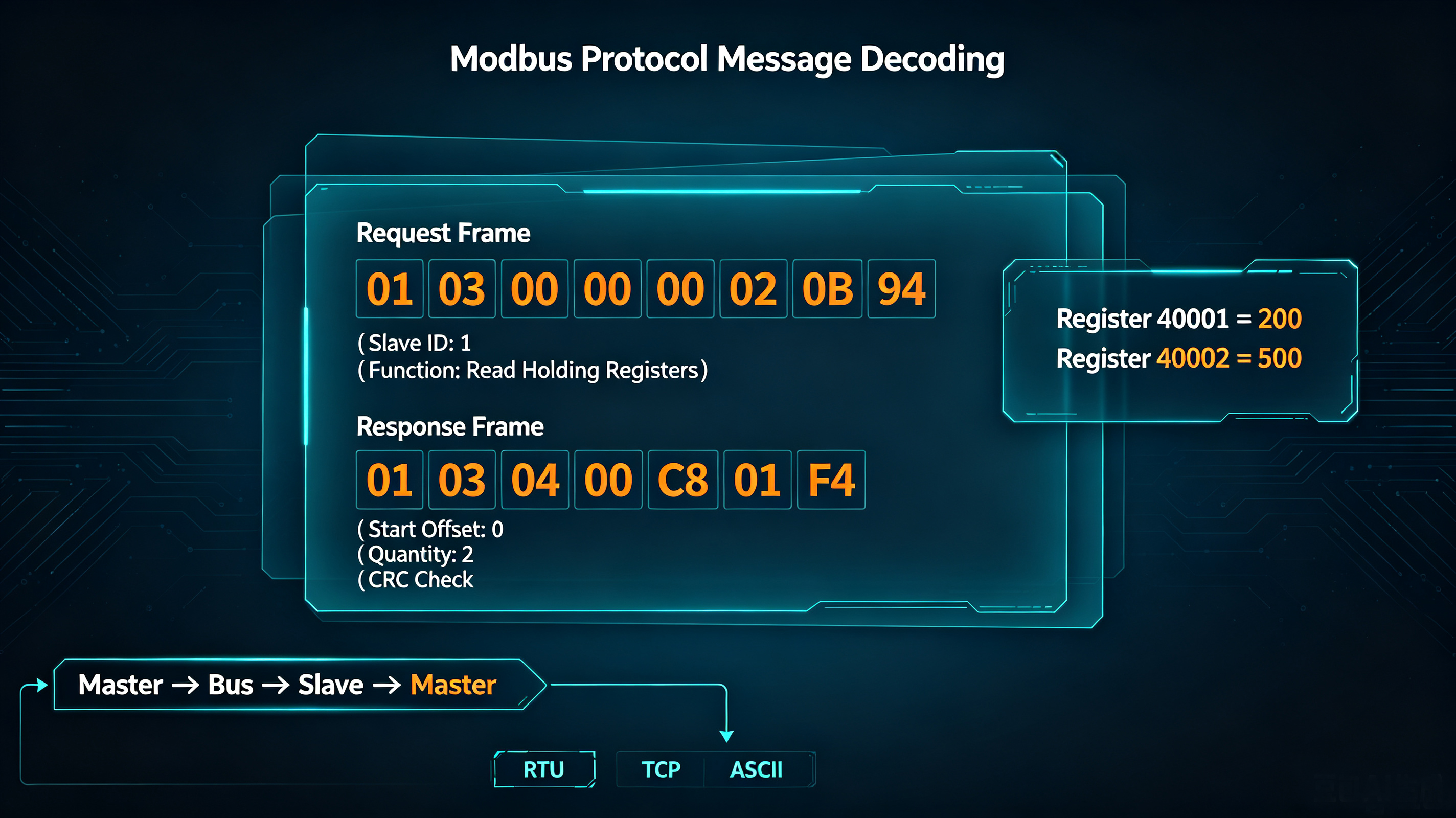
In industrial automation, intelligent instruments, PLC control systems, and IoT data collection are vital. We analyze the core communication logic.