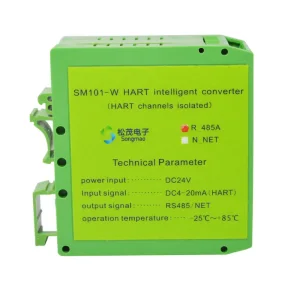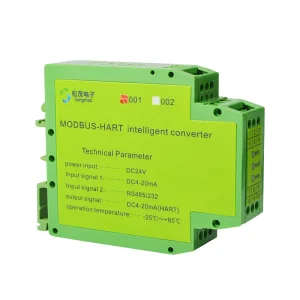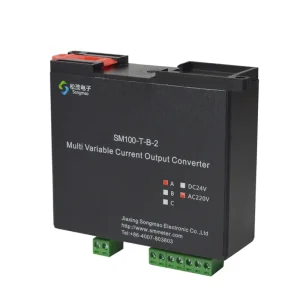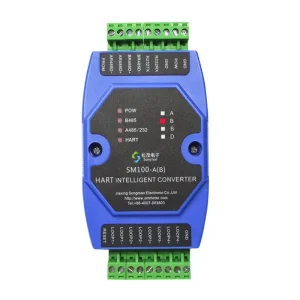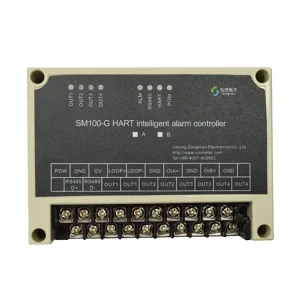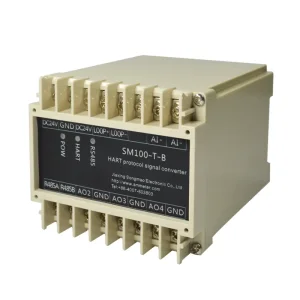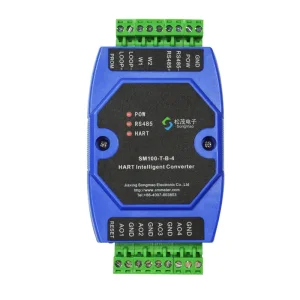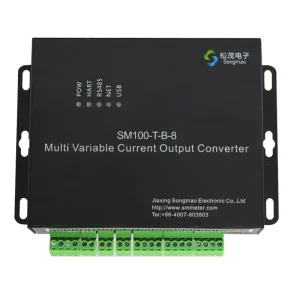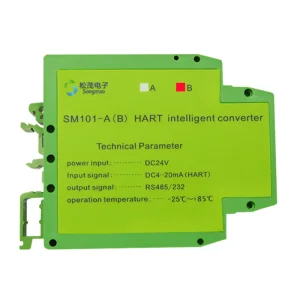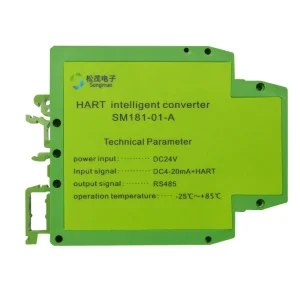
Seoul, the pulsating heart of South Korea’s technological advancement, is undergoing a massive shift toward Industry 4.0. From the Guro Digital Complex to the high-tech clusters in Gasan-dong, the demand for seamless data integration between legacy field instruments and modern cloud-based ERP systems has never been higher. As a premier Converter Supplier serving Seoul, we recognize that the gap between HART protocol sensors and Modbus-TCP gateways is the primary hurdle in the "Smart Factory" roadmap.
Our industrial converters act as the "linguistic translators" of the machine world. In a city where precision engineering and semiconductor manufacturing dominate, even a millisecond of latency in signal conversion can lead to significant production losses. We provide Seoul-based engineers with robust, industrial-grade RS485, HART, and Modbus solutions designed to withstand the electromagnetic interference (EMI) typical of dense urban industrial environments.
Sourcing industrial converters from our Jiaxing-based factory offers Seoul enterprises a unique blend of Supply Chain Agility and Cost Efficiency. Situated near the major logistics hubs of Shanghai and Ningbo, we ensure that our Korean clients receive high-frequency shipments via Incheon Port with minimal lead times.
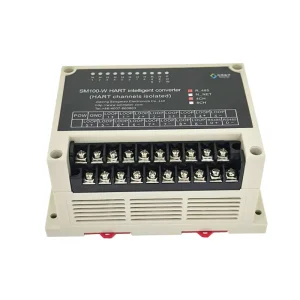
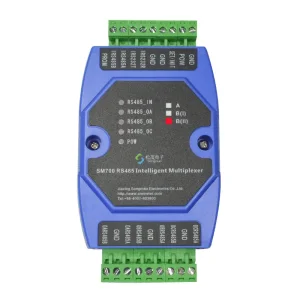
Our engineers have spent nearly two decades perfecting the HART protocol stack. Unlike generic distributors, we own the intellectual property of our SM100 and SM700 series, ensuring that every converter is optimized for the specific nuances of Modbus RTU/TCP polling.
Every unit leaving our factory undergoes a 72-hour burn-in test. For Seoul's heating and water treatment industries, our converters offer full isolation protection, preventing ground loop interference from damaging expensive PLC equipment.
By leveraging China's massive electronics ecosystem, we provide "Wholesale" pricing that allows Seoul-based system integrators to maintain higher margins while delivering world-class reliability to their end customers.
Industrial converters are not just components; they are the backbone of critical infrastructure. Here is how our products are being utilized across Seoul:
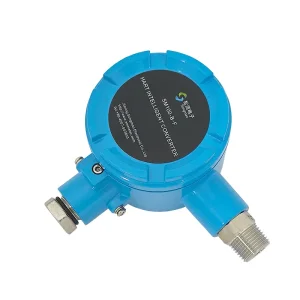
In the chemical complexes surrounding Gyeonggi-do and Seoul, our HART to Modbus converters are used to pull real-time pressure and temperature data from legacy explosion-proof transmitters into modern DCS systems.
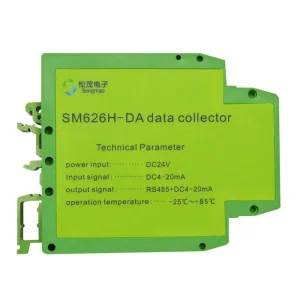
Our SM626H-DA analog converters facilitate the digital transformation of Seoul's water treatment plants, converting 4-20mA flowmeter signals into RS485 Modbus data for remote monitoring via GPRS/4G.
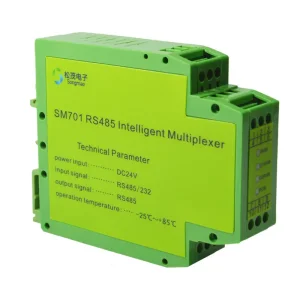
Efficient energy distribution in Seoul's residential districts relies on our multi-channel converters (SM701 series) to synchronize data from hundreds of heat meters back to a central control hub.
The next decade of industrial communication will be defined by Information Gain. It is no longer enough to simply move bits from point A to point B. The converters of the future must be "protocol-aware," capable of pre-processing data at the edge. Our R&D team is currently integrating edge-computing capabilities into our HART gateways, allowing for predictive maintenance alerts before a sensor failure occurs. This is particularly relevant for Seoul’s semiconductor fabs, where unplanned downtime costs millions per hour.