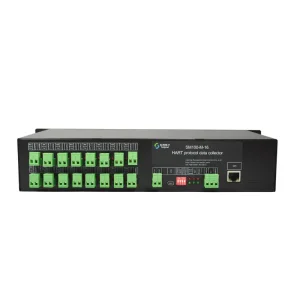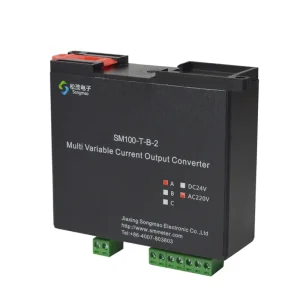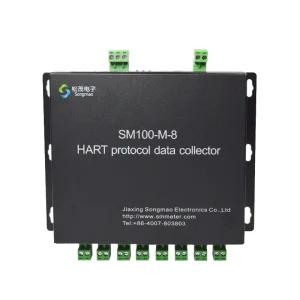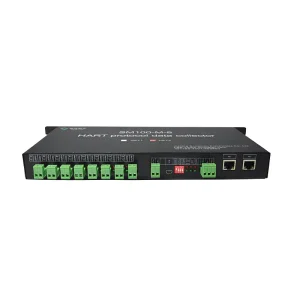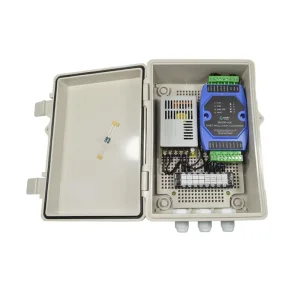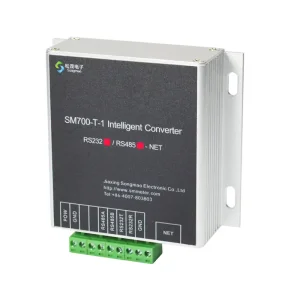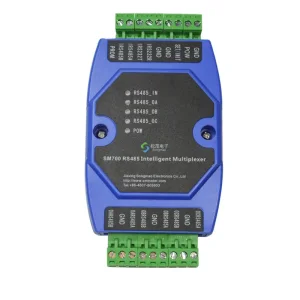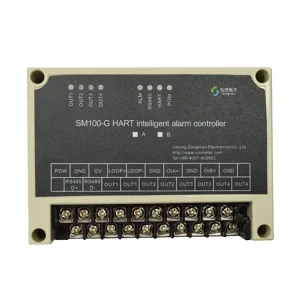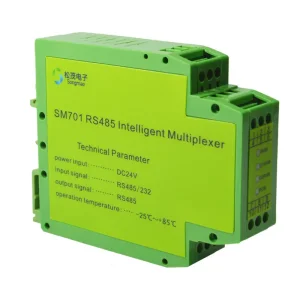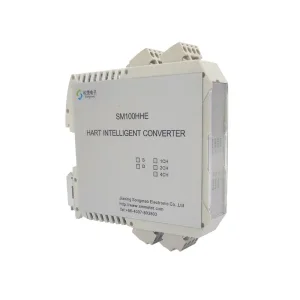
In the complex landscape of industrial automation, the Wholesale Gateway Modbus RTU TCP market is undergoing a significant transformation. As a leading manufacturer and supplier, Songmao Electronics recognizes that the demand for seamless communication between legacy serial devices (RTU) and modern Ethernet-based systems (TCP/IP) is at an all-time high. Our gateways serve as the backbone for data transparency, ensuring that field devices in remote locations can communicate with centralized SCADA and cloud platforms without latency or data loss.
The global shift toward "Industrial Ethernet" has made Modbus TCP the protocol of choice for high-speed, reliable communication. However, millions of sensors and actuators globally still operate on Modbus RTU/RS485. The trend is moving toward "High-Density Gateways" that can handle multiple RTU channels simultaneously and convert them into a single TCP endpoint. This reduces hardware footprint and simplifies network management. Furthermore, the integration of HART protocol into these gateways allows operators to extract secondary process variables—such as temperature and diagnostic status from a pressure transmitter—without disrupting the primary 4-20mA loop.
When enterprises source Gateway Modbus RTU TCP products at wholesale scale, their intent goes beyond price. They prioritize:
The ability to support HART, Modbus RTU, Modbus TCP, and even MQTT for cloud connectivity in a single unit.
Operating temperature ranges from -40°C to +85°C and robust EMI/EMC protection for harsh electrical environments.
Built-in firewall features and data encryption to prevent unauthorized access to critical process data.
The fundamental difference between RTU and TCP lies in the transport layer. While Modbus RTU relies on serial timing, Modbus TCP encapsulates data within standard TCP/IP packets. Songmao’s gateway solutions utilize high-speed ARM-based processors to ensure that the timing requirements of serial polling do not bottleneck the throughput of the Ethernet network. By implementing advanced buffer management, our SM-series converters can handle simultaneous requests from multiple masters, a common requirement in large-scale refinery and power plant applications.
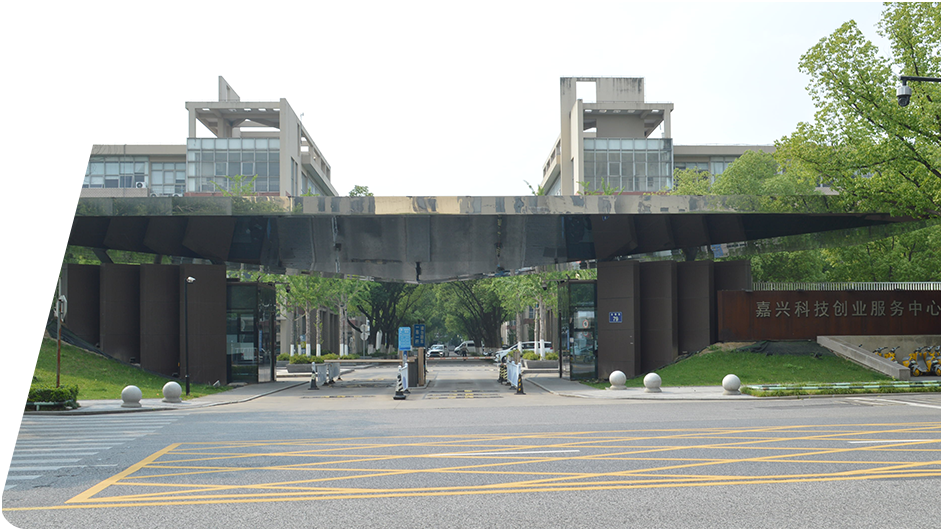
Established in 2007, Jiaxing Songmao Electronics Co., Ltd. has established a leading position in industrial automation. We are a high-tech enterprise integrating R&D, production, and sales, focusing on core technologies such as HART protocol communication and intelligent data collectors.
Our 1,073㎡ office and manufacturing space is dedicated to ensuring every gateway meets the highest international standards of reliability and performance.

Extracting diagnostic data from HART-enabled flowmeters in hazardous zones and transmitting it via Modbus TCP to centralized control rooms for real-time leak detection.

Managing heat exchange stations by converting legacy RS485 temperature controllers into a unified Ethernet network for city-wide energy management systems.

Enabling multi-channel data collection from water quality sensors (pH, turbidity) across sprawling treatment plants, simplifying long-distance cabling.
The future of Gateway Modbus RTU TCP manufacturing lies in Edge Intelligence. At Songmao, our roadmap includes the integration of localized AI algorithms within the gateway itself to perform data pre-processing and anomaly detection. This reduces the bandwidth load on the main network and provides immediate local response to critical failures.
Implementing cellular 5G and NB-IoT modules within gateways for remote sites where wired Ethernet is impractical.
Enabling Linux-based gateways that can run Docker containers for custom protocol parsing and data filtering.
Cloud-based configuration management allowing engineers to deploy 1000+ gateways with a single configuration file.
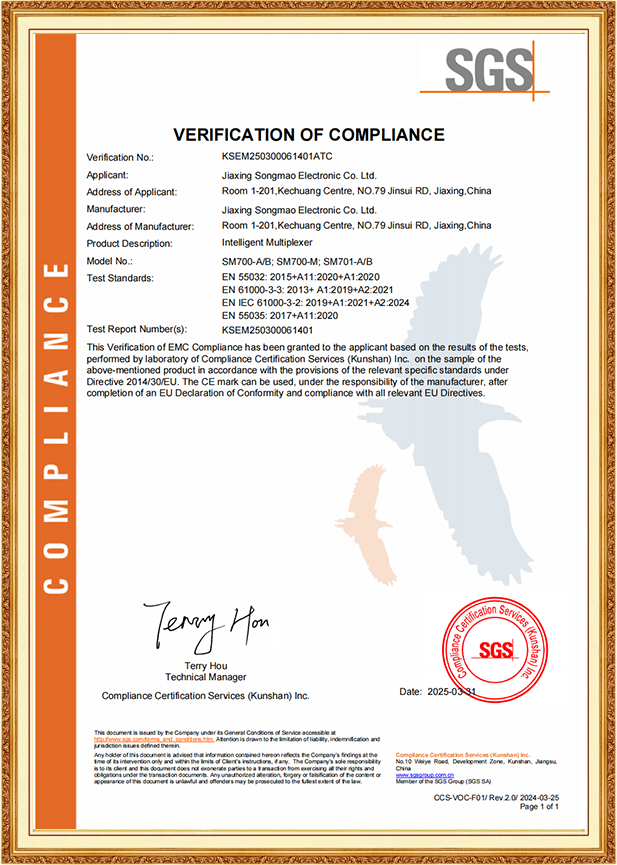
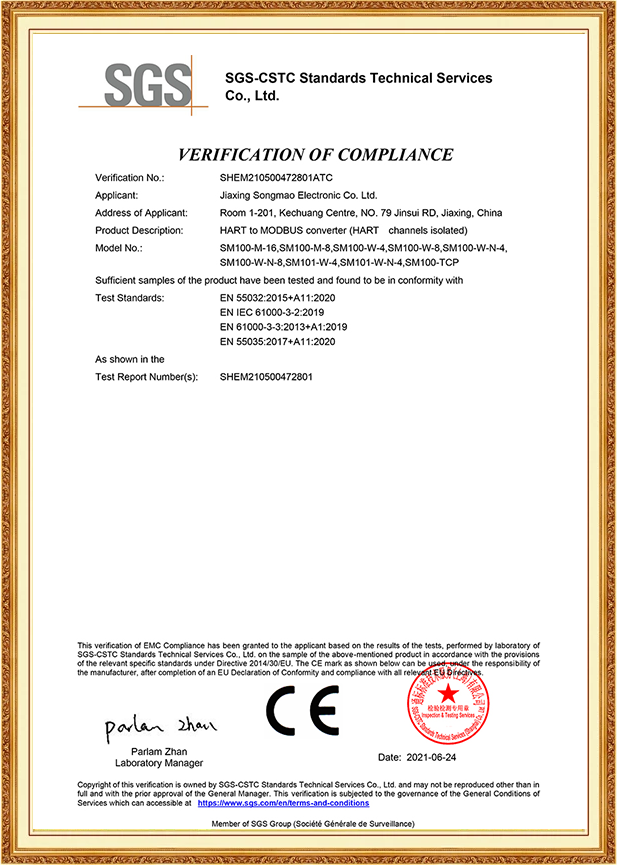
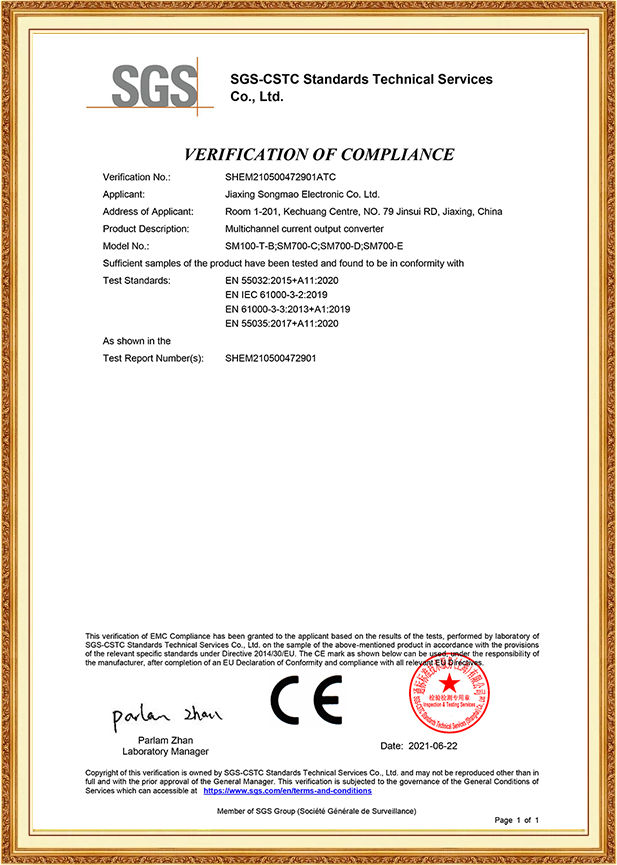
Songmao Electronics understands that global trade requires more than just high-quality hardware. We ensure full compliance with international standards including CE, FCC, and RoHS. Our localization support includes multilingual documentation, firmware customized for regional protocol variants, and technical support teams that understand the specific electrical codes of the North American, European, and Asian markets.
A step-by-step guide on configuring IP addresses, port numbers, and slave IDs for seamless communication.
Deep dive into the frame structure of RTU vs ASCII vs TCP/IP for network engineers.
Why HART remains the "silent" digital hero of the analog world and how to bridge it to the cloud.