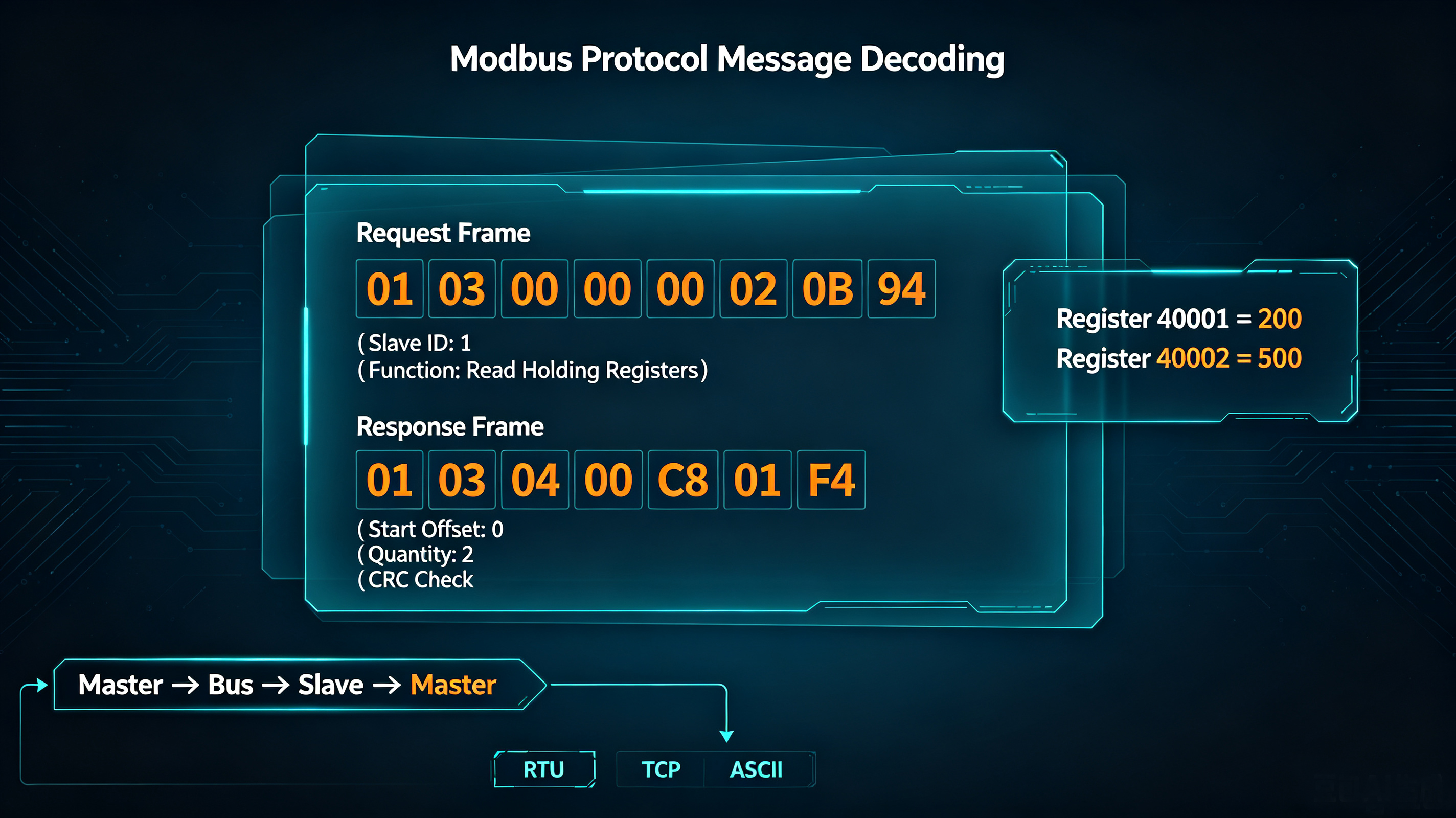
Explore our premium range of Modbus TCP/IP gateways, HART serial converters, and multivariable fieldbus modules engineered for seamless control integration.
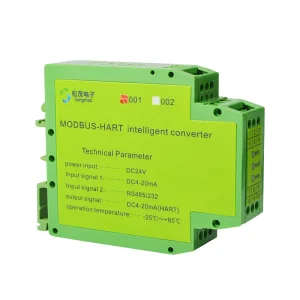
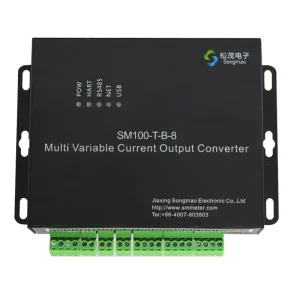
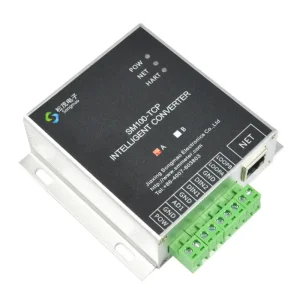
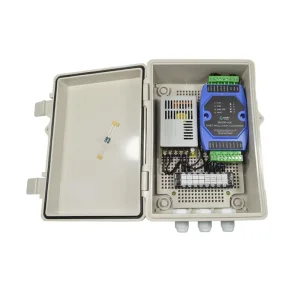
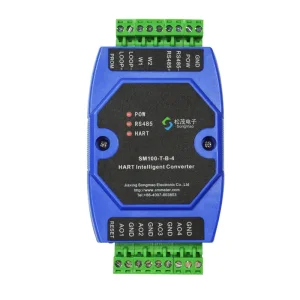
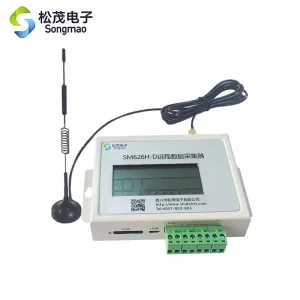
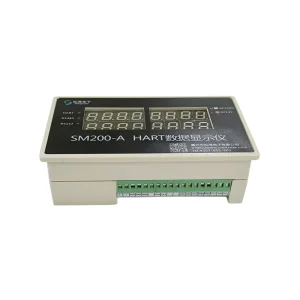
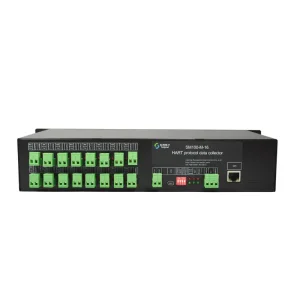
As modern manufacturing facilities rapidly shift toward integrated smart ecosystems, bridging the gap between legacy fieldbus equipment and contemporary high-speed Ethernet backbones has become a key infrastructure challenge. Modbus TCP/IP gateways act as the primary translator in this scenario, enabling simple, reliable communication between serial RS232/RS485 networks running Modbus RTU and modern control stations operating via Ethernet IP topologies.
Globally, industrial automation requires systems that prevent packet loss and latency issues. A Modbus TCP/IP gateway achieves this by packetizing serial data into standard TCP frames. This allows engineers to manage telemetry, actuator signals, and sensor arrays through unified PLC (Programmable Logic Controller) or SCADA interfaces without replacing expensive legacy sensors.
Understanding the supply chain, R&D, and quality control systems that position Chinese manufacturers as global leaders in communication converters.
Chinese factories are located within closely clustered raw material and semiconductor supply chains. This proximity helps streamline component sourcing for industrial-grade optical couplers, processors, and surge protection chips, keeping production timelines short.
To meet international standards, manufacturers deploy strict verification processes. This includes temperature cycling chambers (-40°C to +85°C), high-voltage isolation testers, and electromagnetic compatibility (EMC) chambers to ensure durability in harsh factory environments.
Chinese manufacturers offer flexible design and manufacturing services, allowing customers to request custom housing, unique firmware for proprietary protocols, or specialized multi-channel inputs (e.g., combining HART, GPRS, and Modbus into one chassis).
Established in 2007 • Driven by Technological Innovation
Jiaxing Songmao Electronics Co., Ltd. has spent over 18 years specializing in the design, development, and manufacturing of industrial automation interfaces, focusing heavily on HART protocol communication products and high-capacity data collectors.
With our dedicated R&D center, we have successfully brought to market a broad array of HART-to-RS485 modems, Modbus-TCP data acquisition modules, and multi-channel field converters. Through consistent technology iterations and a customer-focused approach, Songmao Electronics has built a reputation for reliable network solutions across global markets.

Our manufacturing and office spaces are built to optimize workflow efficiency, featuring standardized ESD assembly benches and high-precision testing instruments to guarantee consistent product quality.
Industrial communication networks rely on different electrical standards and software protocols, depending on where they are deployed in the plant. Understanding how these protocols interact helps engineers build more reliable network topologies.
Modbus RTU is a serial communication protocol that relies on Master/Slave architecture over EIA-485 physical lines. It uses binary coding and CRC error checking to transmit registers. Modbus TCP/IP adapts this structure for Ethernet (IEEE 802.3) by wrapping the Modbus Application Protocol (MBAP) header inside a standard TCP/IP packet, using TCP port 502 for routing. Gateways act as a translation bridge, converting physical signals and packaging serial registers into network frames.
The Highway Addressable Remote Transducer (HART) protocol overlays digital communication signals on top of standard 4-20mA analog loops using Frequency Shift Keying (FSK) based on the Bell 202 standard. This allows users to read secondary process variables, diagnostics, and device configuration parameters alongside the primary analog signal. High-performance converters allow Modbus masters to access these digital registers directly, making it easier to integrate smart field instruments into digital networks.
A standard field setup includes multiple 2-wire HART transmitters (such as flow, temperature, and pressure sensors) deployed in the field. These transmitters connect to a multi-channel collector (like the SM100-M16). The collector polls each device for digital process data, converts it into Modbus RTU or Modbus TCP registers, and routes it directly to PLC systems or edge servers over industrial Ethernet lines.
Our converters and data collectors are deployed in diverse settings to keep critical process control networks connected and reliable.

Used to monitor pressure, temperature, and flow values on offshore platforms and refining facilities, converting analog sensor signals into remote SCADA formats.

Enables central monitoring of distributed heat exchange substations by collecting temperature and flow readings over long-distance serial lines.

Supports gas measurement tracking by collecting data from multiple volume correctors and transmitting it via cellular GPRS and Modbus protocols.

Connects electromagnetic flow meters and water quality analyzers to central PLC networks for real-time monitoring of municipal water infrastructure.
Industrial equipment must operate reliably under challenging electrical conditions, including high vibration, electromagnetic interference (EMI), and changing temperatures. At Songmao, we follow ISO 9001 quality management procedures from design through to manufacturing.
Our devices include hardware-level features designed to protect performance, such as TVS surge protection on RS485 communication ports, optical isolation barriers to protect internal processors, and reverse polarity protection on power inputs. These designs are tested in real-world environments to help prevent field failures.
Our products are built to meet the key regulatory and performance guidelines required by global distribution networks and plant managers:
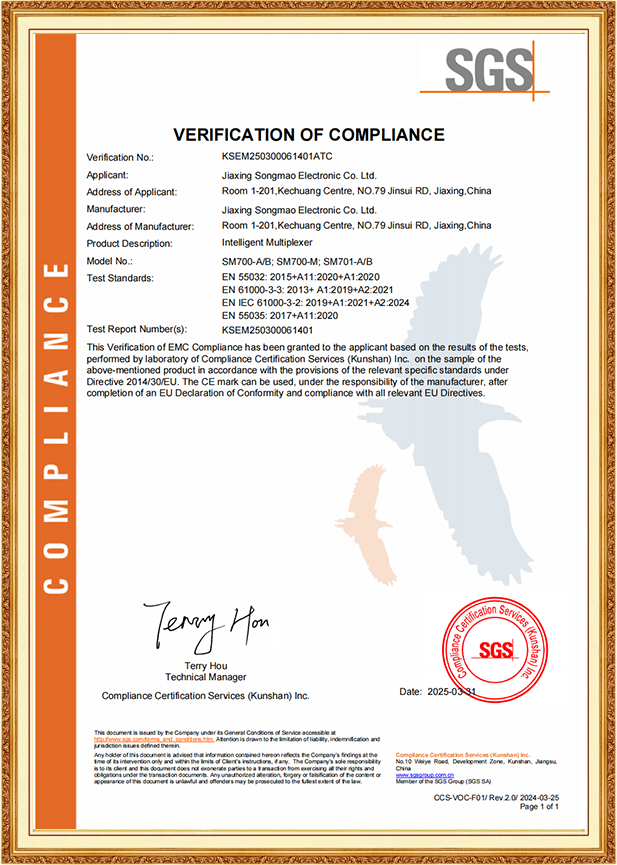
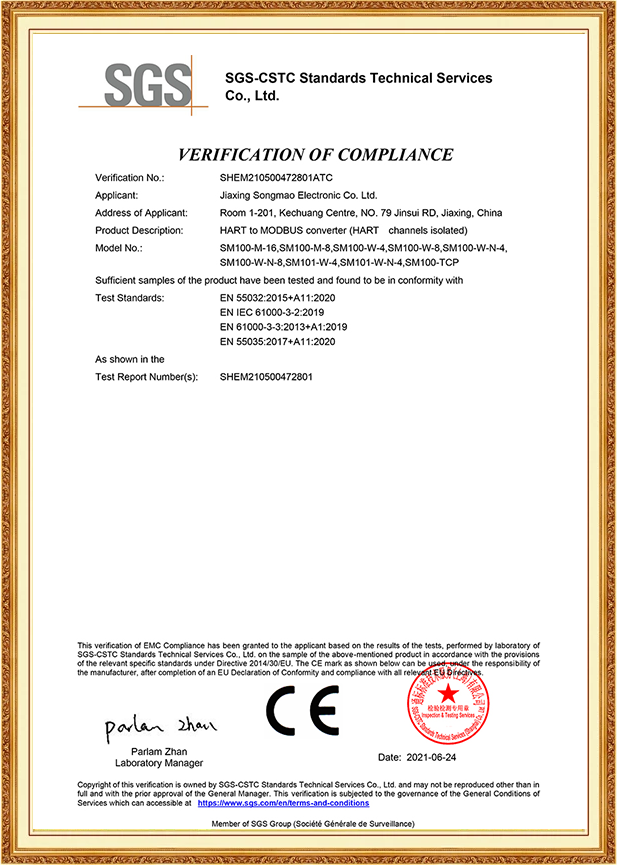

Every unit goes through functional validation and burn-in testing before shipment to ensure reliable field installation.
Explore our selection of converters and remote collectors designed to support reliable data transmission across your automation network.
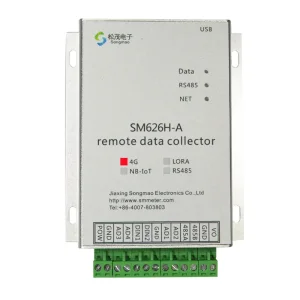
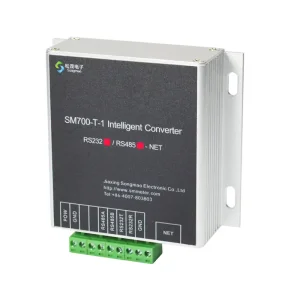
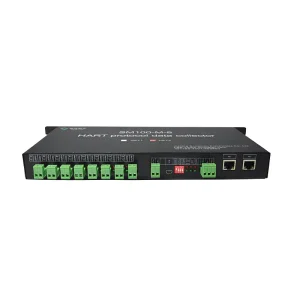
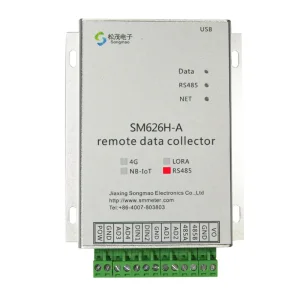
The industrial landscape is evolving from simple data transport to intelligent edge processing. Modern communication gateways do more than translate protocols; they filter data, manage local logic, and secure field variables before routing them to the cloud.
Newer-generation gateways are shifting from simple protocol translation to executing local control logic. By analyzing and filtering data at the edge, these devices can transmit only relevant changes (report-by-exception), reducing network bandwidth consumption and minimizing storage requirements in the central database.
As plant networks connect to broader IT infrastructures, securing field devices becomes critical. Modern Modbus TCP/IP devices incorporate security measures such as role-based access control, IP address filtering, and encrypted configuration channels to help prevent unauthorized network access.
Get answers to common questions about industrial protocol translation, device installation, and troubleshooting.
To connect a Modbus TCP/IP gateway, mount the device on a standard DIN rail and connect a 12-24V DC power source. Connect your RS485 serial network to the terminal block (A+ and B- lines) and link the RJ45 Ethernet port to your local switch or PLC controller.
Configuration is typically completed via a web browser using the gateway's default IP address. From there, you set the serial parameters (baud rate, parity, stop bits) to match your serial sensors, and map the Modbus RTU register addresses to the corresponding Modbus TCP server ID ports.
A Modbus poll is an active request initiated by a Modbus master controller (such as a PLC or software client) to retrieve register data from slave devices. The master sends a read request targeting specific register addresses, and the slave replies with the requested data.
Multi-channel converters help optimize this process by polling field devices in the background and keeping an updated copy of the registers in internal memory. This allows the master controller to retrieve data quickly without waiting for slow serial loops.
To interface with a HART instrument using a PC, connect the HART MODEM's analog loops across a 250-ohm loop resistor. The modem connects to the PC via USB or a serial port, and uses FSK to modulate digital configuration data onto the loop.
For PLC systems, a dedicated HART-to-Modbus converter (such as the SM100 series) acts as a permanent gateway, polling the transmitter registers and presenting the values as standard Modbus RTU or TCP/IP registers.
Industrial serial networks require protection against voltage spikes caused by lightning, motor starts, or ground loops. Gateways should feature optical isolation (typically 1.5KV or higher) to isolate the serial transceiver from internal logic circuits.
Additionally, placing TVS (Transient Voltage Suppressors) and gas discharge tubes on the A and B signal lines helps ground voltage surges safely, preventing damage to the gateway and connected equipment.
Read our latest updates, industry articles, and practical guides on industrial network configuration.