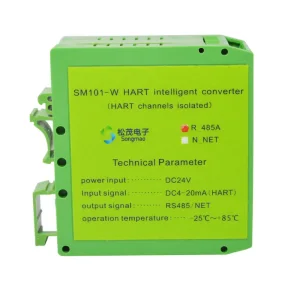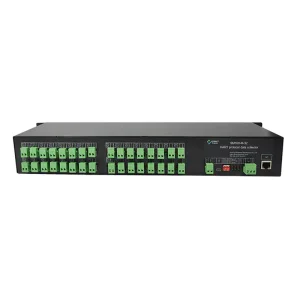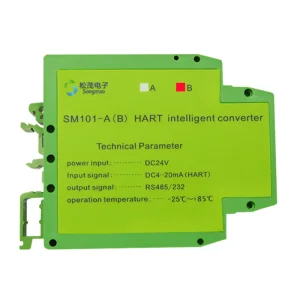
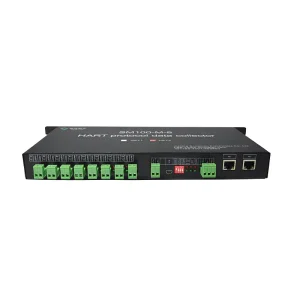
Explore our premium grade hardware range for reliable Industrial Ethernet Modbus data transmission and terminal connection.
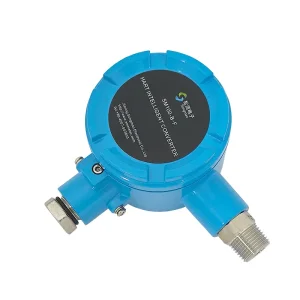
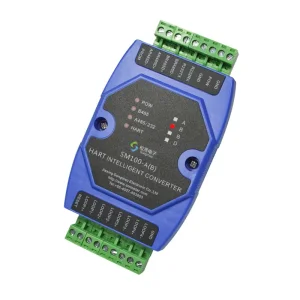
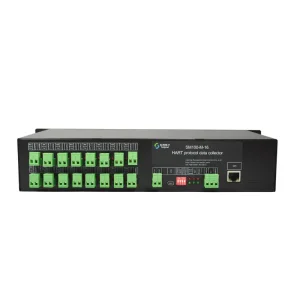
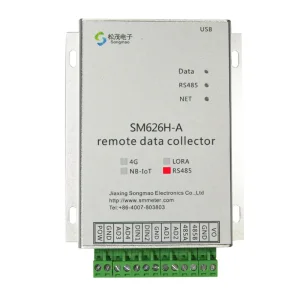
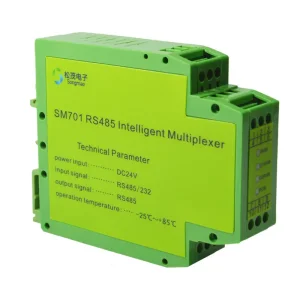
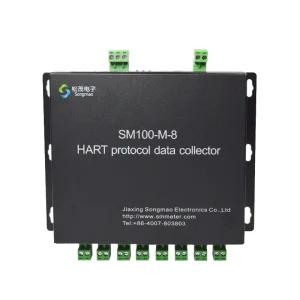
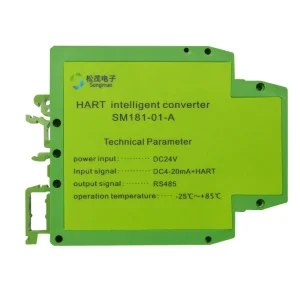
In the expanding landscape of smart factories, industrial process automation, and green infrastructures, standard fieldbus communication frameworks are undergoing a structural shift. The traditional Modbus RTU over RS485, though robust and structurally simple, encounters significant bandwidth, distance, and scalability constraints when handling thousands of sensory nodes. Here, Modbus Over TCP/IP acts as the bridging protocol. Operating over standard IEEE 802.3 Ethernet layers, it maps the application layer Modbus ADU (Application Data Unit) structure into standard TCP/IP network frames.
Historically, the deployment of industrial protocols required dedicated hardware lines and complex configuration mapping. Modern industrial demands require high performance, minimal loop delay, and native network routing options. By utilizing TCP port 502, Modbus Over TCP/IP bypasses traditional physical bus limitations. Systems integrators can seamlessly route diagnostic values across standard IP switches, optic fiber systems, or long-range wireless links. As a premier China supplier of Modbus TCP converters, Songmao Electronics develops industrial gateways designed to reduce conversion latency to sub-millisecond levels, ensuring seamless synchronization between distributed PLC terminals and high-level SCADA systems.
Current industry developments highlight a crucial requirement: cross-protocol interoperability. Devices operating in complex industrial settings must read and translate multivariable analog transmitter data (using protocols like Highway Addressable Remote Transducer - HART) directly to Modbus TCP registers without losing signal precision. This transition has led to the adoption of multi-channel intelligent converters, which act as local data aggregators to translate and encapsulate field data into clean, Ethernet-ready frames.
HART devices superimpose a digital Frequency Shift Keying (FSK) signal onto standard 4-20mA analog current loops. To extract primary, secondary, tertiary, and quaternary variables (PV, SV, TV, QV) without disrupting the analog control loop, specialized hardware interface modules are required. The process involves precise analog filtering, digital FSK demodulation, dynamic buffer management, and structural mapping into Modbus registers.
The architecture diagram below illustrates how our converters capture multivariable analog sensor telemetry and map it directly to Modbus TCP and RTU formats:
Our SM100-M-32 series, for instance, provides 32 independent channels of HART physical interfaces. Each channel dynamically queries the downstream HART field devices, retrieves the multivariable digital payload, and continuously updates an internal register map. When a remote Modbus TCP master queries holding registers over Ethernet, the gateway responds instantly with pre-cached data, minimizing request latency.
Furthermore, data integrity is safeguarded through CRC check validation, watchdogs, and dynamic error status codes. If a HART transmitter fails, the converter updates the corresponding register status flag. This allows the host PLC or DCS system to detect channel faults instantly, preventing the propagation of stale or incorrect readings.
Established in 2007, Jiaxing Songmao Electronics Co., Ltd. is a specialized developer and manufacturer in the industrial communication gateway and protocol conversion industry.
We focus on the independent research, development, and manufacture of core technologies such as HART protocol communication interfaces, Modbus converters, multivariable signal collectors, and long-range industrial communication devices. Our 1073-square-meter facility houses advanced development platforms, calibration systems, and quality control lines to ensure every hardware component meets high standards of reliability.
Over the past 18 years, our engineering team has designed reliable interfaces utilized across diverse global industries, ensuring system compatibility and long-term durability.
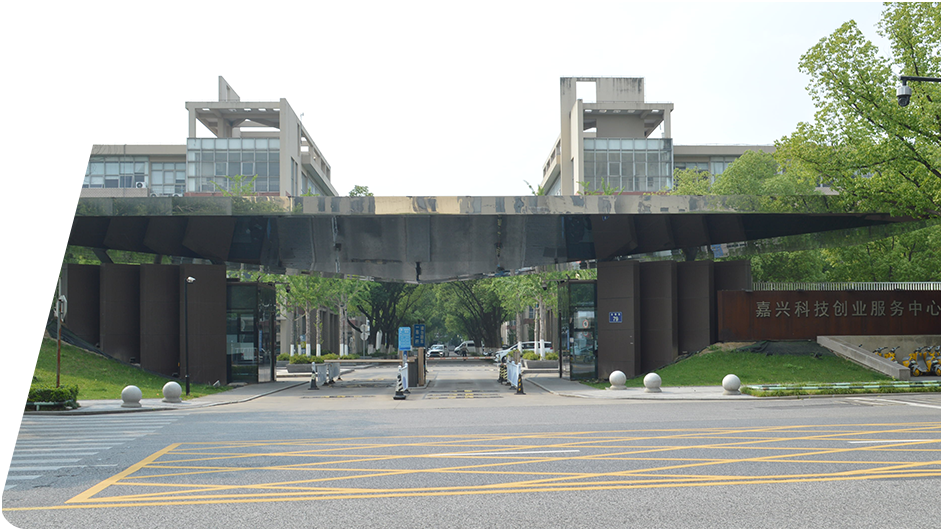
Reliable communication interfaces designed to withstand environmental challenges across diverse industrial sectors.





B2B instrumentation engineers and procurement directors require robust industrial-grade solutions. Standard consumer gateways are unsuitable for industrial control cabinets. When choosing Modbus over TCP/IP converters, specify the following performance standards:
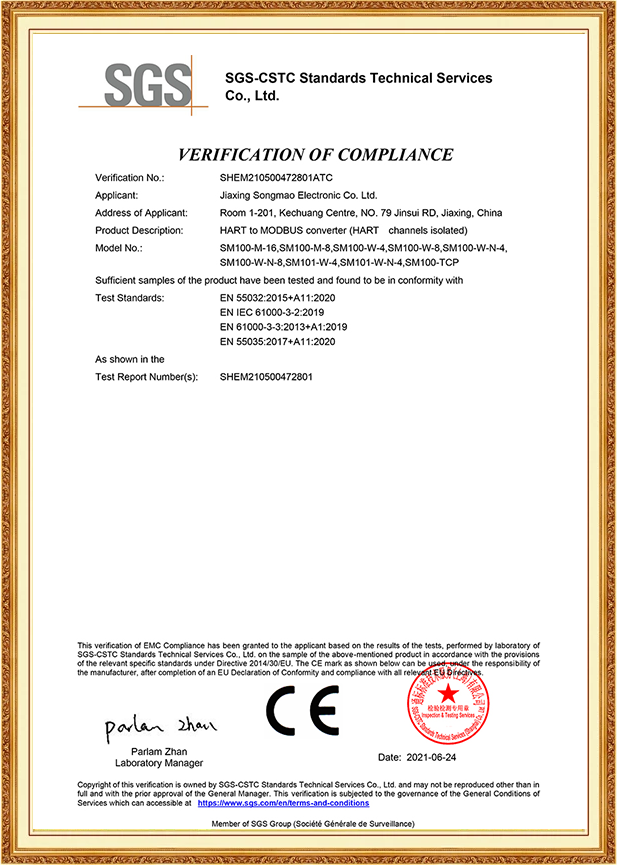
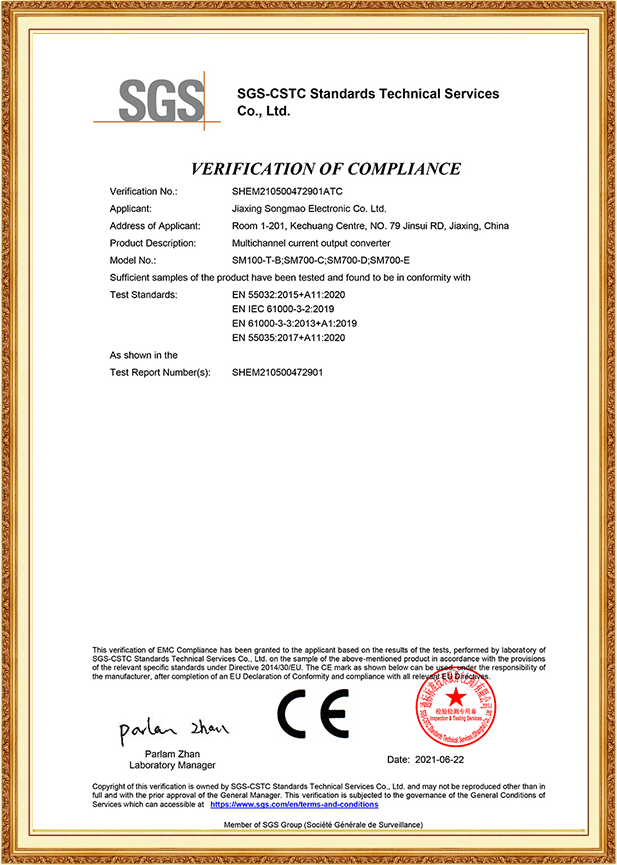
Our commitment to quality, engineering standards, and international certifications.
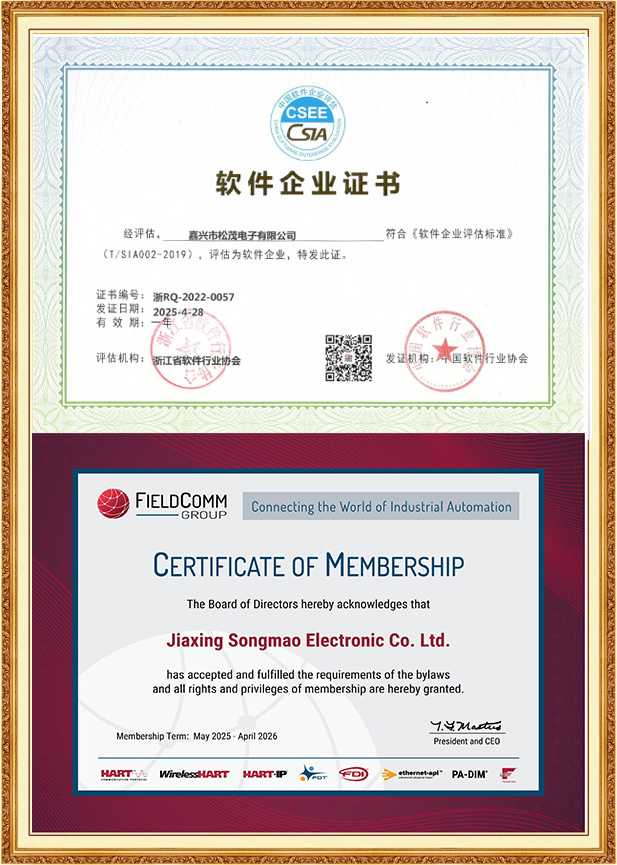
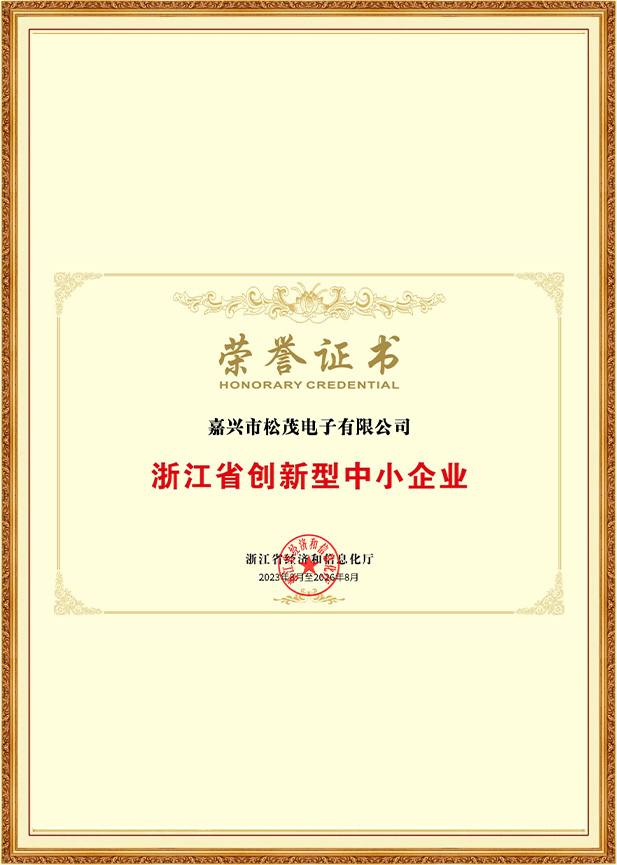

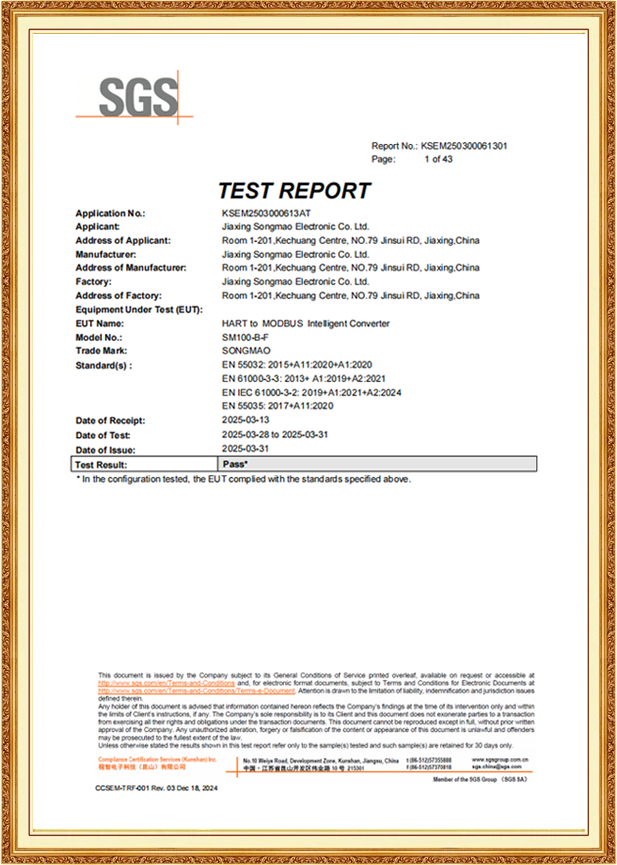
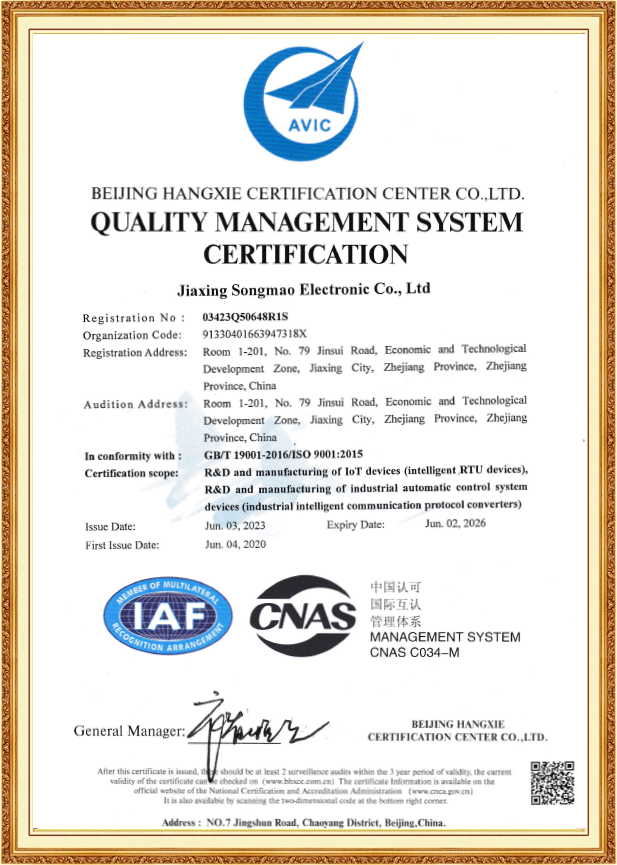


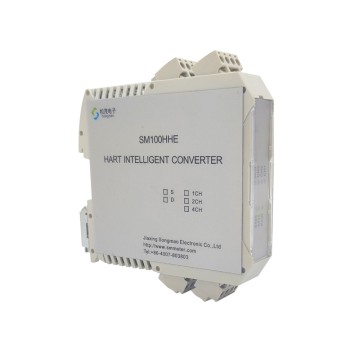
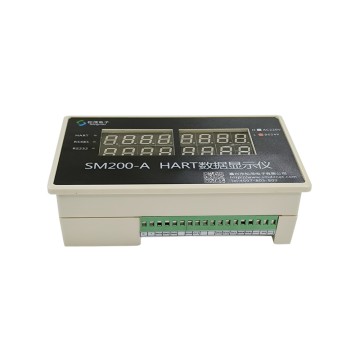
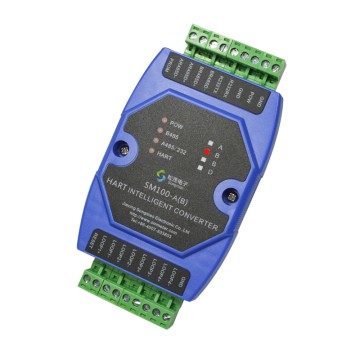
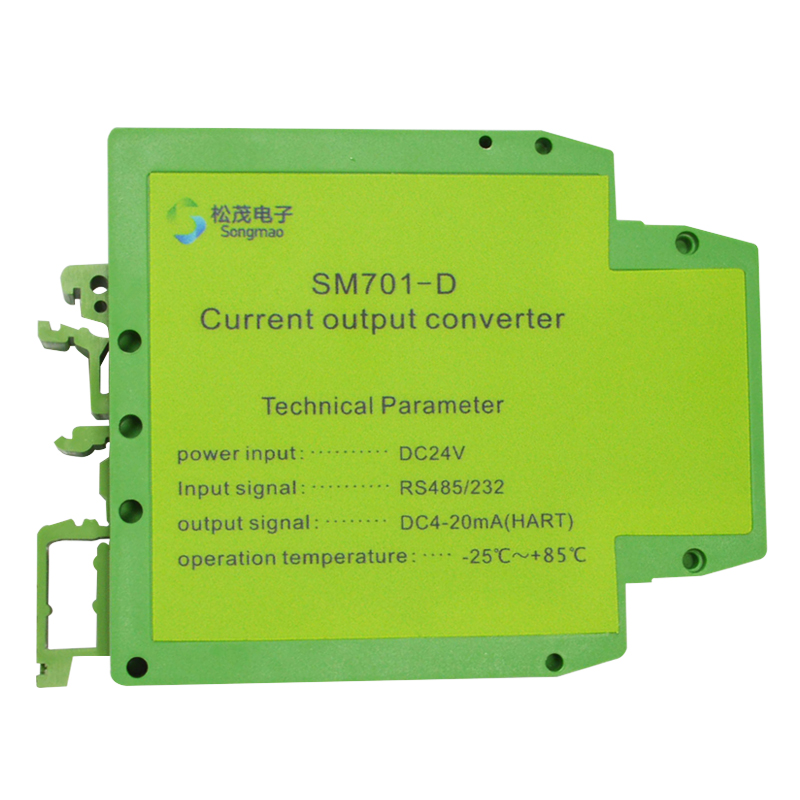
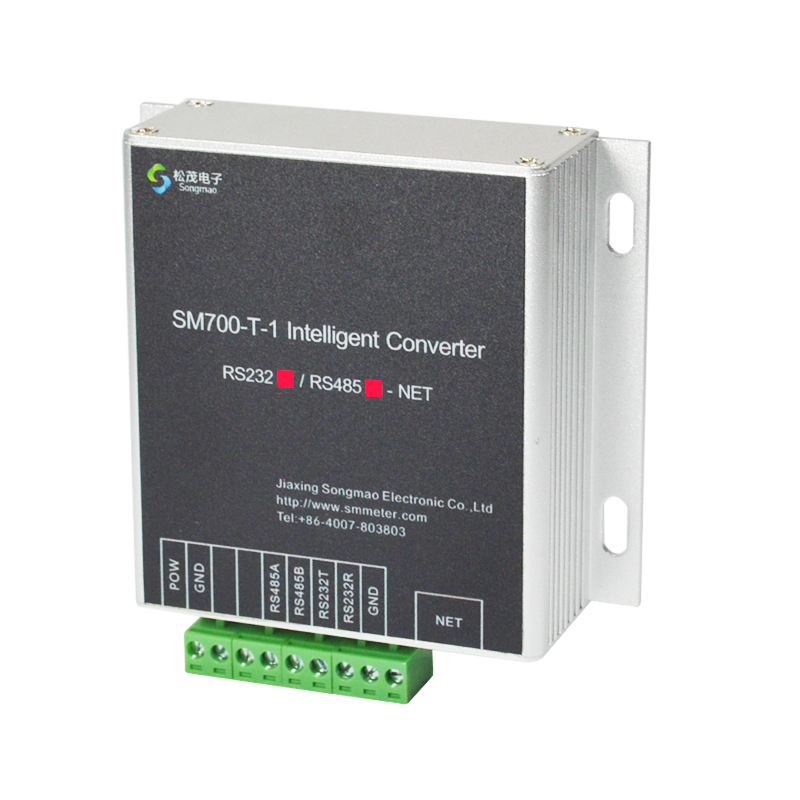
Explore detailed characteristics of our specialized smart multivariable and multi-protocol converters.
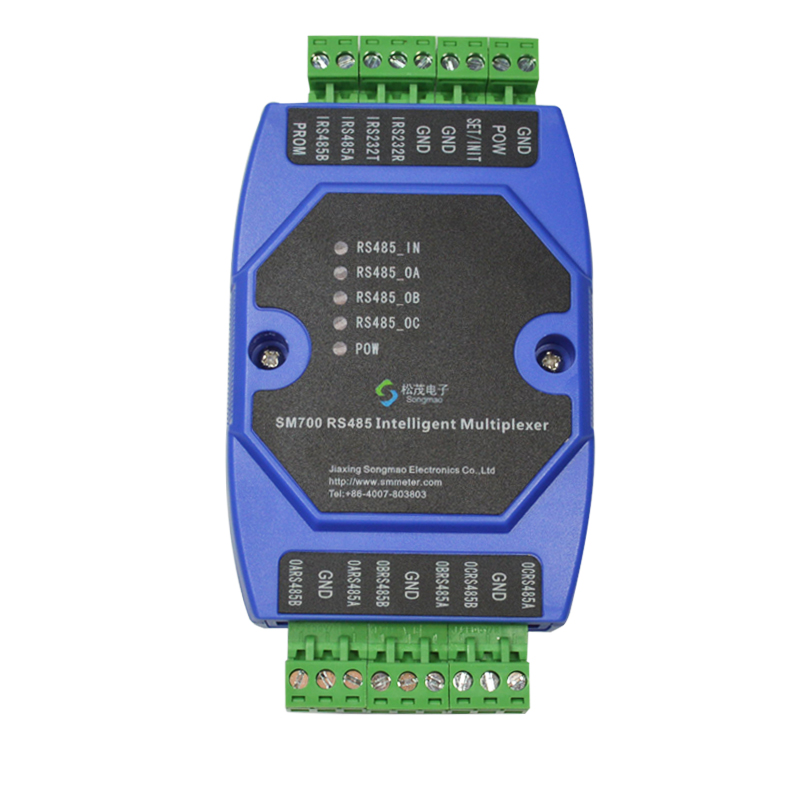
Industrial communications are moving toward higher integration, built-in security, and edge intelligence. Legacy networks are shifting from plain serial topologies to hybrid Ethernet structures. Below is our R&D focus for the coming years:
1. Adoption of Modbus Security (TLS Encapsulation): Traditional Modbus over TCP/IP lacks native encryption or device authentication. As operational networks connect with IT environments, securing data transit is essential. Our developmental roadmap includes integrating TLS 1.3 encryption directly into our gateways, protecting register access from unauthorized commands.
2. Edge Processing & Local Analytics: Modern IIoT setups require gateways to do more than translate protocol packets. Next-generation Songmao converters will feature edge scripting, allowing for local mathematical calculations, deviation alerts, and custom protocol matching. This reduces the processing load on central servers.
3. Direct Cloud Connectivity: Bridging field sensors directly with cloud frameworks is a growing industry requirement. Integrating lightweight MQTT protocol variants alongside Modbus TCP allows our hardware to report field data directly to cloud platforms, simplifying system design.
Answers to common technical and configuration questions from our application engineering team.
Technical guides and documentation on industrial protocols, network setup, and fieldbus diagnostics.

 Jul 2026
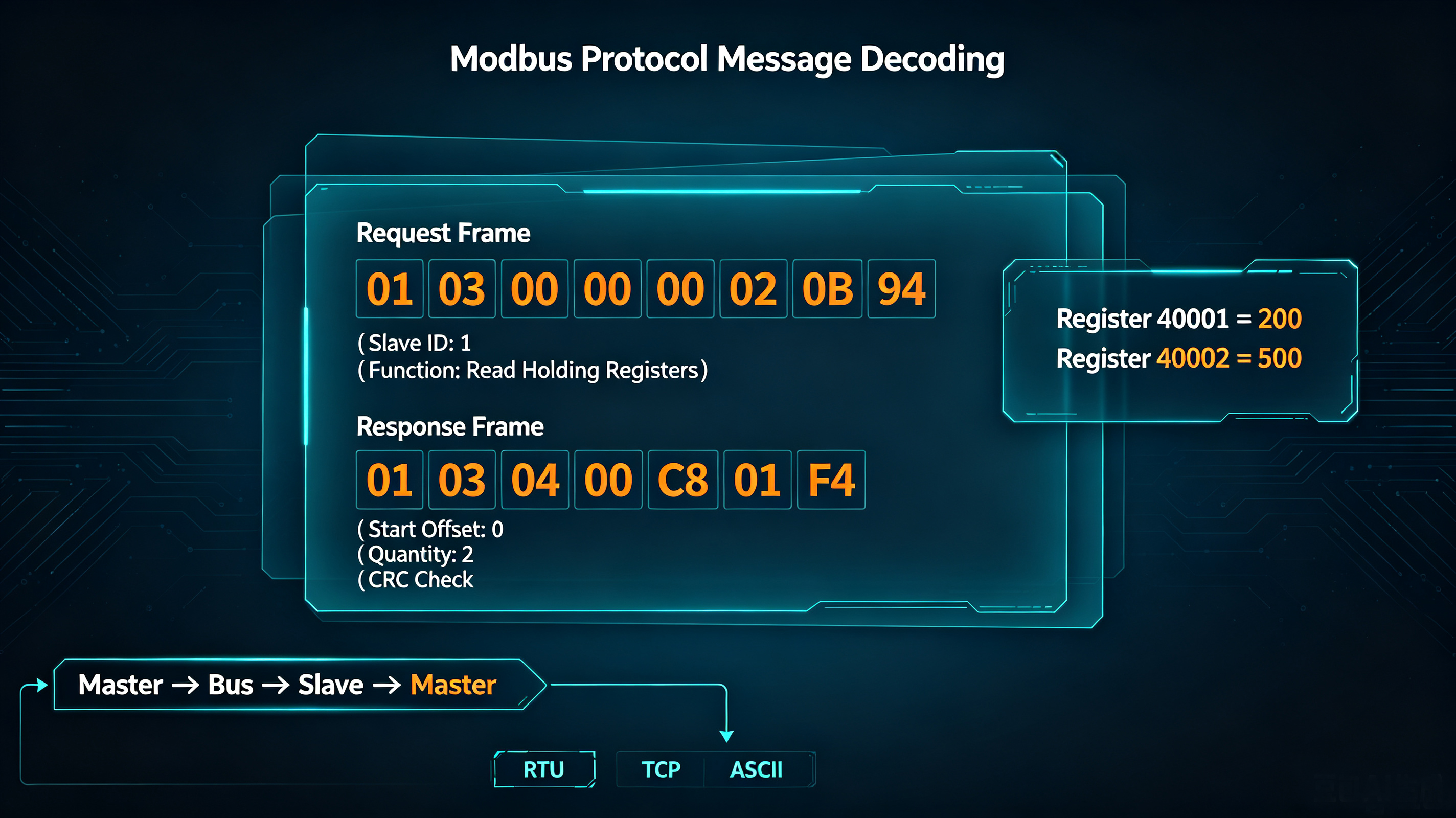 Jul 2026
Jun 2026
Jun 2026
Jun 2026
Jul 2026
Jul 2026
Jun 2026
Jun 2026
Jun 2026
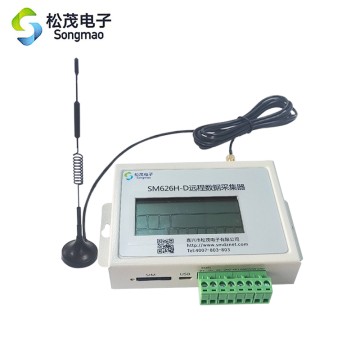
Explore our secondary lineup of high-density HART data collectors, multi-channel gateways, and isolated converters.