In the modern industrial ecosystem, the bridge between physical phenomena and digital intelligence is the Analog-to-Digital (A/D) conversion. As global industries pivot toward "Smart Manufacturing" and "Industrial Internet of Things (IIoT)", the role of manufacturers like Songmao Electronics becomes pivotal. Today, A/D conversion is no longer just about quantizing a voltage level; it is about Information Gain—extracting actionable data from noisy industrial environments.
The global market for industrial signal converters is witnessing a CAGR of 6.5%. With the rise of energy efficiency mandates, sectors like Oil & Gas and Water Management are upgrading legacy 4-20mA systems to digital communication protocols (HART, Modbus TCP/IP) to enable remote diagnostics.
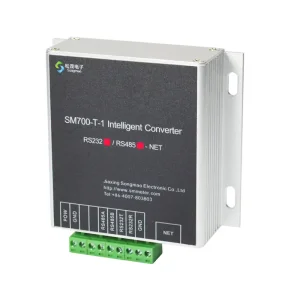
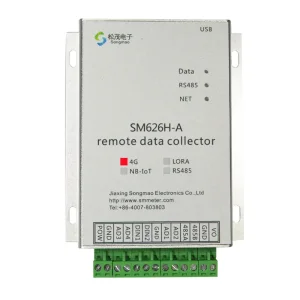
Modern A/D converters are moving toward "Edge Conversion." By processing signals closer to the sensor, companies reduce latency and bandwidth requirements. Our SM Series collectors embody this trend by integrating 4G/GPRS capabilities directly into the signal chain.
As digital conversion connects field devices to the cloud, data integrity is paramount. Professional China suppliers are now focusing on galvanic isolation and anti-interference designs to ensure that the digital twin accurately represents the physical reality.
The evolution of A/D conversion technology in China follows a clear trajectory toward higher integration, multi-protocol interoperability, and wireless connectivity. At Songmao, our R&D focuses on several key technological pillars:
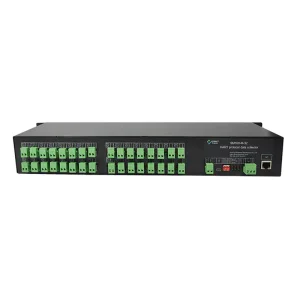
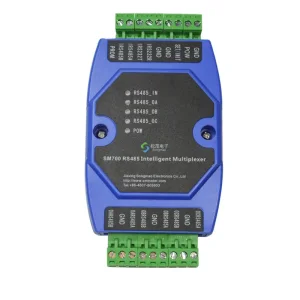
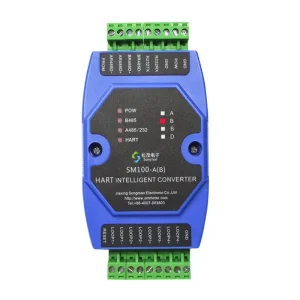
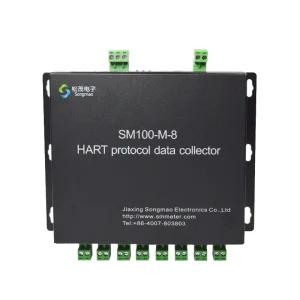
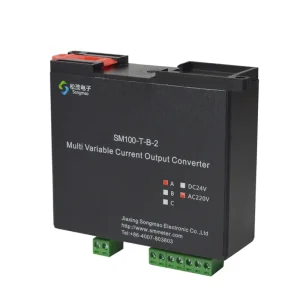
Legacy devices speak HART; modern PLCs speak Modbus; the Cloud speaks TCP/IP. Our roadmap includes the development of 32-channel gateways (like the SM100-M-32) that act as "Universal Translators," allowing seamless data flow from a 1980s flowmeter to a 2024 AI analytics platform.
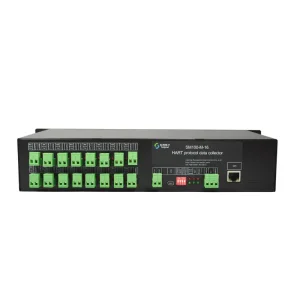
Physical space in control cabinets is expensive. Future trends lean toward high-density modules. Our 16-channel and 32-channel HART collectors provide more data points per square inch, reducing the Total Cost of Ownership (TCO) for industrial plants.
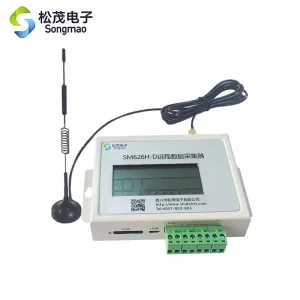
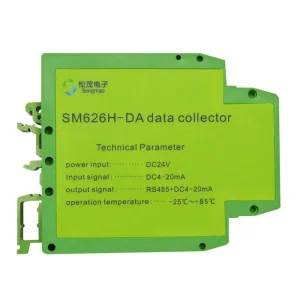
For remote oil fields or environmental monitoring stations, wired connections are impossible. We are integrating NB-IoT and 5G Netcom technology into our SM626H series to ensure real-time transmission over thousands of miles.
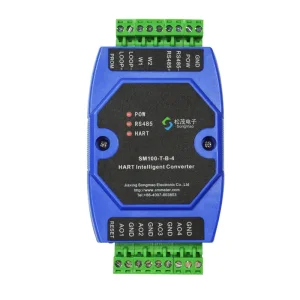
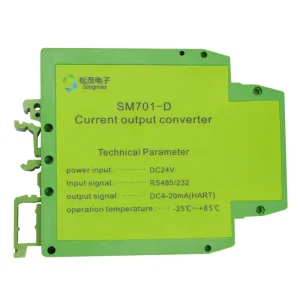
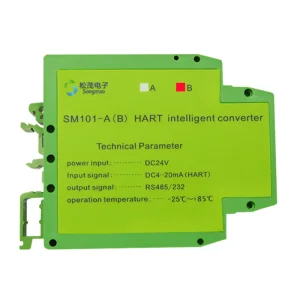
Conversion is now the first step in predictive maintenance. By capturing secondary variables through HART protocol (temperature, device status), our converters help engineers predict failures before they occur, achieving E-E-A-T principles in operational reliability.
Established Year
Years Experience
Countries Served
R&D Facility
Quality Certified

High-precision HART to Modbus conversion for wellhead monitoring, ensuring explosive-proof data collection in harsh remote terrains.

Managing multivariable current converters to balance heat distribution across municipal networks via RS485/TCP protocols.

Deploying GPRS/4G all-netcom collectors for real-time pressure and flow monitoring across cross-country pipelines.

Integrating 4-20mA to Modbus conversion for sewage treatment plants to automate chemical dosing and flow control.

Long-term stable data acquisition for air quality and industrial emission tracking with high-reliability HART modems.
Songmao Electronics provides OEM/ODM services for specific protocol conversion needs. Contact our engineers for tailored hardware design.
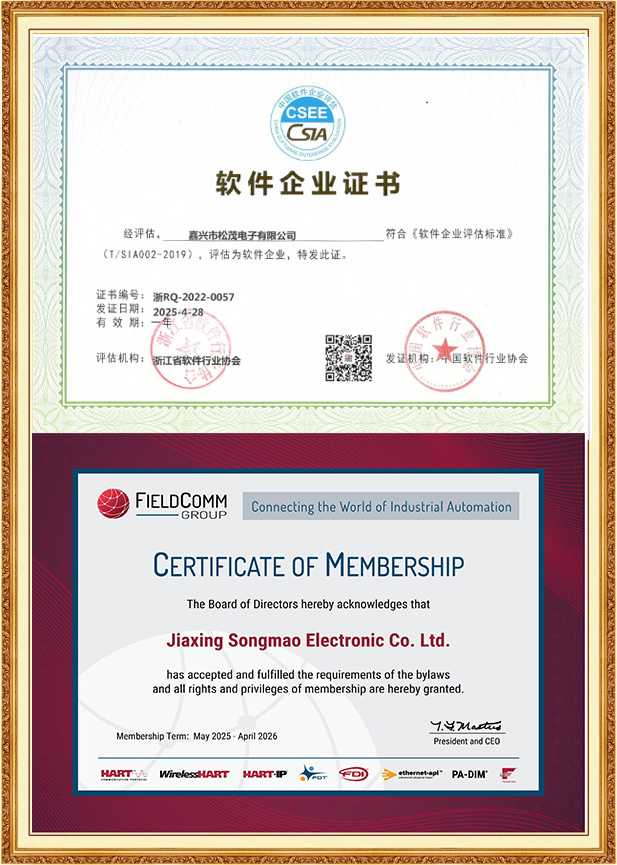
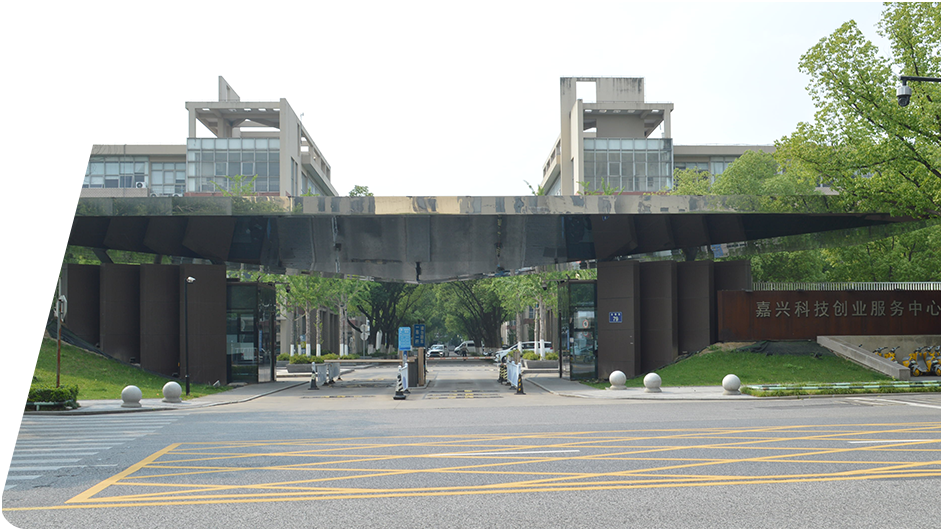
Inquire Now →Established in 2007, Jiaxing Songmao Electronics Co., Ltd. has been at the forefront of industrial automation. As a high-tech enterprise, we integrate R&D, production, and sales, focusing on core technologies such as the HART protocol and intelligent data collectors. Our journey of 18 years has been defined by technological breakthroughs and an unwavering commitment to quality, establishing our leadership in the signal conversion market.
A: While 4-20mA provides only the primary process variable, HART (Highway Addressable Remote Transducer) protocol allows for bi-directional communication, enabling access to secondary variables, device calibration, and diagnostic data without interrupting the analog signal.
A: Yes, models like the SM100-M16 are designed to bridge the gap between serial-based Modbus RTU and Ethernet-based Modbus TCP, allowing legacy sensors to communicate with modern IT infrastructure.
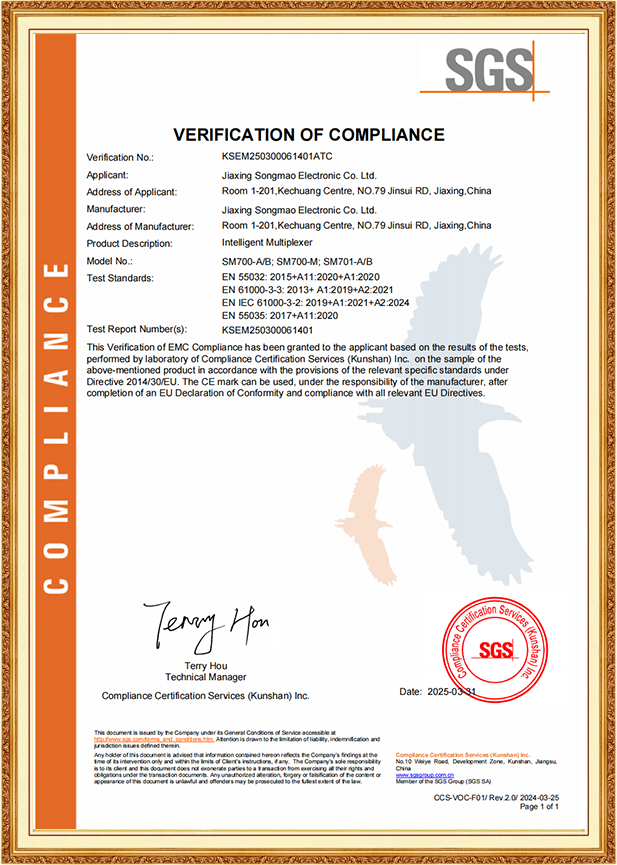
A: We employ industrial-grade isolation technology and robust EMI/EMC shielding. Our products undergo strict quality control to ensure stable operation near high-voltage equipment and motors.
A: Absolutely. Our SM626H series is specifically designed for remote Netcom data collection, ideal for sites where physical cabling is not cost-effective.
Exploring how Modbus RTU remains the backbone of industrial sensor networks and its transition to Modbus TCP.
A step-by-step technical guide for engineers integrating serial devices into enterprise Ethernet networks.
Understanding master-slave query structures in high-latency wireless data collection environments.
Deep dive into frame structures and error checking for industrial automation specialists.