
The rise of Smart Hart Converters is transforming the industrial landscape. According to a recent report by MarketsandMarkets, the market for smart industrial automation solutions is projected to reach $200 billion by 2026. This growth highlights the importance of selecting the right Smart Hart Converter for various applications.
Today’s industries demand efficient, reliable, and advanced communication capabilities. Smart Hart Converters offer seamless integration with modern control systems, enhancing data collection and process monitoring. However, not all products are created equal, and buyers must navigate an expansive market filled with options.
Many users report challenges in adapting to new technologies. Not every converter possesses the same level of reliability or user-friendliness. Therefore, understanding the top contenders can guide buyers toward informed decisions. Making the right choice is crucial for maximizing ROI and achieving operational excellence.
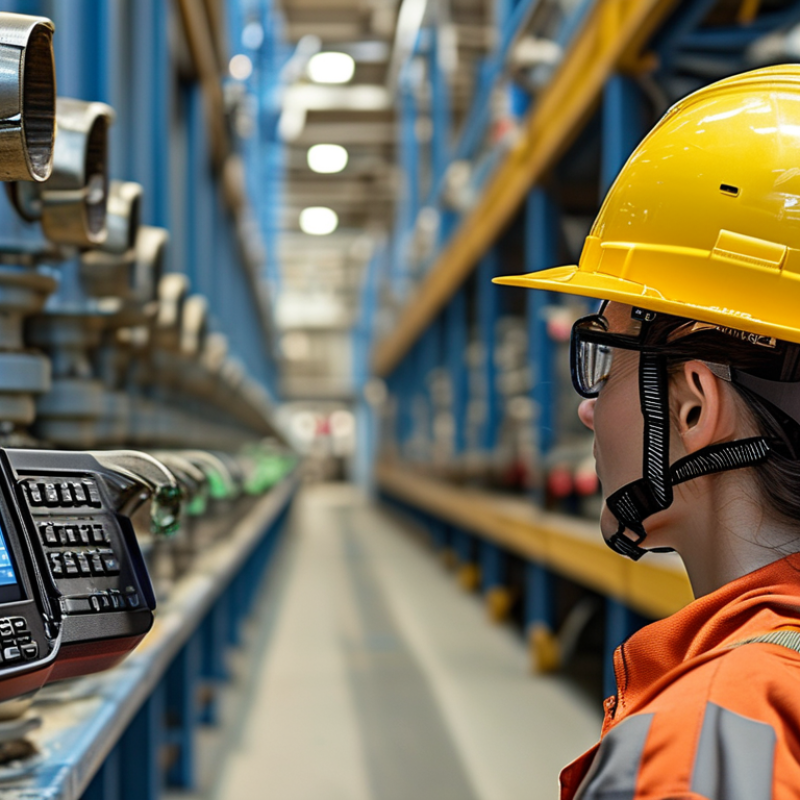
Smart HART converters play a vital role in industrial automation, enabling seamless communication between smart field devices and control systems. HART (Highway Addressable Remote Transducer) technology allows for two-way communication. This enhances monitoring and control. According to a market report by ResearchAndMarkets, the global HART devices market is projected to reach approximately $700 million by 2026, reflecting the growing demand for smart communication in various industries.
These converters find applications in sectors like oil and gas, water treatment, and manufacturing. They help in integrating legacy equipment with modern digital systems. For instance, in oil and gas, these devices facilitate real-time data acquisition, ensuring safety and efficiency. However, some challenges exist, such as interoperability issues among devices from different manufacturers. Proper integration can be complicated, leading to possible data discrepancies.
Furthermore, while smart HART converters offer many advantages, they require careful implementation. Data security is a significant concern, especially in critical infrastructure. These converters might also face limitations with device compatibility. Users must evaluate their infrastructure needs thoroughly to avoid potential pitfalls.
When considering smart HART converters, buyers should focus on essential features that enhance performance and efficiency. One critical aspect is the data acquisition capability. According to industry reports, converters with advanced data processing can yield up to a 20% increase in operational efficiency. This is essential for companies aiming to optimize their processes.
Another key feature is the ease of integration. Converters that support various protocols allow seamless connectivity with existing systems. A study has shown that lack of integration can lead to up to a 30% increase in downtime. Ensuring compatibility with different platforms can save valuable time and resources.
Buyers should also consider the durability of the converters. Devices that meet high industrial standards tend to have a longer lifespan, which translates into lower maintenance costs. A report published by the International Society of Automation indicates that robust devices can last five years longer than standard models. These features significantly impact long-term operational costs and reliability.
When choosing smart Hart converters, it’s essential to explore various top brands and models. Many manufacturers offer unique features. Some converters focus on connectivity, while others excel in data accuracy. This variety makes it challenging to pick the right model. Users must consider their specific needs and environments.
Look for models that provide robust protocol support. Compatibility with different systems can enhance functionality. Certain brands also offer comprehensive manuals and customer service. This support is vital for effective troubleshooting. User reviews often highlight ease of installation as a significant factor. A complex setup may deter less experienced buyers.
Moreover, energy efficiency is becoming a crucial aspect. Many converters are designed to consume less power while maintaining performance. Choosing options that balance efficiency with reliability can be tricky. Not all high-performance units are energy-efficient. It’s wise to evaluate trade-offs. Ultimately, the right converter enhances your monitoring capabilities significantly.
The landscape of smart Hart converters is rapidly evolving. Recent reports suggest a significant increase in demand, driven by advancements in automation and digital solutions. In 2023, the market reached a valuation exceeding $2.5 billion, with a projected growth rate of around 8.4% annually through 2030. This growth reflects the rising interest in energy efficiency and data-driven decision-making across industries.
One notable trend is the integration of IoT capabilities into smart Hart converters. These devices are now capable of real-time data transmission and remote monitoring, crucial for industries aiming to enhance operational efficiency. A study highlighted that over 45% of companies have adopted smart converter technology to optimize their processes. However, challenges remain. Integration complexities and cybersecurity risks are areas needing attention, often overlooked during implementation.
Furthermore, environmental considerations are reshaping the market. A 2022 survey showed that 62% of manufacturers prioritize eco-friendly technologies in their purchasing decisions. This shift is essential but raises questions. Are current technologies truly sustainable? As the market adapts, transparency in energy consumption and lifecycle assessments becomes increasingly important for buyers.
When considering smart Hart converters, buyers should focus on specific features and their applications. A significant report by Industry Research indicated that the global market for smart sensors is projected to reach $41 billion by 2027. This trend indicates a growing reliance on these technologies. When selecting converters, pay attention to compatibility and integration capabilities. They must work seamlessly with existing systems.
Another crucial factor is the range of measurements offered. A study by Technavio highlighted that multifunctional measuring devices are gaining traction. These devices can monitor various parameters, helping to optimize processes. Buyers should prioritize converters that provide real-time data and robust analytics.
Moreover, reliability is non-negotiable. A survey conducted by a leading analytics firm revealed that up to 30% of companies face downtime due to equipment failure. This emphasizes the need for dependable solutions. Explore options that have passed rigorous testing and certifications to ensure maximum performance. Performance data should drive your choices, while also leaving room for reflection on potential enhancements in technology and user experience.
: Look for specific features that match your needs. Connectivity and data accuracy are key factors.
Robust protocol support enhances compatibility with various systems. This can improve the device's overall functionality.
User reviews often emphasize ease of installation. A complex setup can discourage less experienced users.
Energy efficiency is critical. Many converters now aim to reduce power consumption while maintaining performance.
Not necessarily. There can be trade-offs between performance and efficiency. Evaluating these is important.
The demand is increasing, reflecting advancements in automation. The market exceeded $2.5 billion in 2023.
Integration complexities and cybersecurity risks are often overlooked. These issues require careful attention during implementation.
Yes, a significant number do. About 62% focus on eco-friendly technologies in their purchasing decisions.
This question remains open. Transparency in energy use and lifecycle assessments is crucial for informed buying.
It enhances operational efficiency, allowing for better monitoring and decision-making processes across industries.
The article "Top 10 Smart Hart Converters Buyers Should Consider" provides an in-depth exploration of Smart Hart Converters, their applications, and essential features that buyers should focus on. A Smart Hart Converter is a device that enhances communication between field instruments and control systems, making it crucial for various industrial applications. Key features to consider include compatibility, precision, user interface, and data logging capabilities, which greatly impact efficiency and reliability.
Additionally, the article reviews market trends and innovations that are shaping the evolution of Smart Hart Converters, highlighting the growing demand for advanced functionalities and integration with IoT technology. It concludes with practical buying tips and considerations, empowering potential buyers to make informed decisions that align with their operational needs. Overall, this comprehensive guide serves as a valuable resource for anyone looking to invest in Smart Hart Converters for improved automation and control in their processes.
