
The landscape of Industrial Hart Converter technology is evolving rapidly as we approach 2026. According to analysts from Research and Markets, the global market for industrial converters has grown significantly, projected to reach $5 billion by 2025. This impressive growth highlights the increasing demand for efficient, reliable systems in industrial automation and process control.
An industry expert, Dr. Emily Chen, noted, "The future of Industrial Hart Converter technology lies in its integration with IoT and advanced analytics." This technological synergy promises to enhance data transmission accuracy and predictive maintenance capabilities. However, as innovation flourishes, existing challenges remain. The complexity of integration and potential interoperability issues could hinder widespread adoption.
Furthermore, the pressure to reduce operational costs compels organizations to evaluate their current systems critically. As the shift towards smart manufacturing accelerates, companies must navigate the balance between upgrading technologies and managing investment risks. The future of Industrial Hart Converter technology presents both opportunities and challenges that require careful consideration and strategic planning.
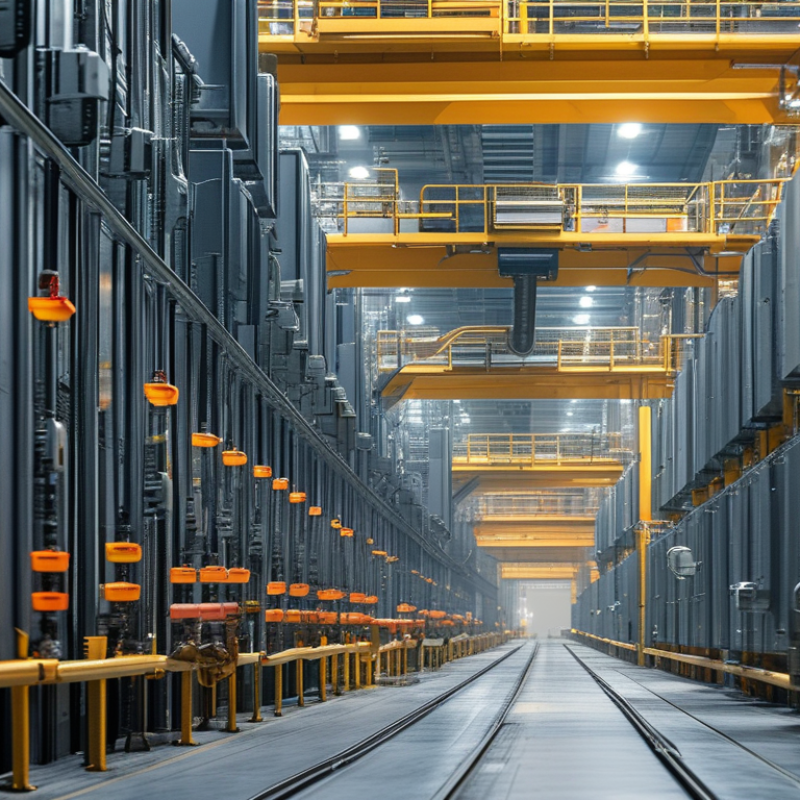
The current state of industrial HART converter technology reveals a blend of promise and limitation. These devices play a crucial role in process automation by enabling communication between field instruments and control systems. Many industries rely on them for real-time data transmission. However, the integration of HART converters remains inconsistent across various platforms.
While significant advancements have been made, challenges persist. Compatibility issues often arise when integrating with legacy systems. Not all devices support the latest protocols, causing gaps in data accessibility. Moreover, the complexity of some configurations can lead to user errors, undermining the efficiency of automation processes. Training for staff is essential but often overlooked.
The future of HART technology hinges on addressing these challenges. Enhanced interoperability is vital for a seamless user experience. Furthermore, ongoing developments in cybersecurity will play a key role. As industries push for smart solutions, the significance of reliable, user-friendly HART converters cannot be overstated. The path ahead is promising, but only if the current drawbacks are adequately addressed.
The landscape of Hart converter technology is evolving. By 2026, significant innovations are anticipated to enhance performance and efficiency. These advancements focus on integration capabilities, making converters smarter. The push for automation in industrial settings drives this change. Expect more intuitive designs and functionalities.
Connectivity will play a critical role. Devices will increasingly communicate seamlessly with each other. This will facilitate better data analysis and decision-making. Real-time monitoring and diagnostics will likely become the norm. Efficiency will improve due to predictive maintenance features. However, reliance on these technologies poses a challenge. As industries adopt automation, the need for skilled personnel remains crucial.
Despite these potential advancements, challenges are evident. Integrating new technologies can strain existing systems. Companies may face significant costs during transitions. Training staff to adapt will be another hurdle. Moreover, while automation promises efficiency, it may lead to job displacement in certain sectors. Balancing innovation with workforce stability will be essential.
The graph illustrates anticipated key innovations in Hart converter technology by the year 2026, showcasing expected improvements in areas such as accuracy, communication protocols, and integration with IoT. Each innovation level is represented as a percentage, highlighting the growing significance of these advancements in the industrial sector.
The advanced Hart converter technology holds transformative potential for various industries in 2026 and beyond. According to recent industry reports, the market for Hart-based devices is projected to reach $5 billion by 2026, with annual growth rates surpassing 12%. This rapid expansion suggests a significant increase in applications, particularly in sectors like renewable energy, manufacturing, and smart grids.
In renewable energy, advanced Hart converters can improve efficiency in systems like wind and solar power. These converters enhance power quality and reliability. For example, data indicates that power loss in grid-connected solar systems could be reduced by up to 15% with enhanced Hart converter technology. This efficiency can support the growing demand for sustainable energy solutions globally.
Manufacturing is another sector ripe for innovation with Hart converters. Their ability to manage complex industrial processes can lead to smoother operations and reduced downtime. A recent study showed that automating power management using these converters could cut operational costs by approximately 20%. These promising statistics highlight the importance of ongoing research and development in this field while also emphasizing the need for industry professionals to adapt to evolving technology.
The development of Hart converter systems faces several significant challenges. One major hurdle is the need for improved efficiency. Current models often struggle with energy loss, leading to suboptimal performance in industrial applications. Engineers are exploring various materials and designs to address these inefficiencies. However, research in this area can be slow and costly.
Another pressing issue is the integration of these systems into existing infrastructures. Many facilities rely on outdated technology. Retrofitting new Hart converters can disrupt operations. Achieving seamless integration often requires careful planning and testing. This is an area where frustration commonly arises among engineers and managers alike.
Regulatory compliance also adds layers of complexity. New standards are constantly evolving, pushing manufacturers to adapt. Navigating these regulations can be burdensome. It's a realm that often leaves stakeholders questioning the economic viability of upgrading their systems. Balancing innovation with compliance remains a persistent struggle in the industry.
The adoption of HART (Highway Addressable Remote Transducer) technology is transforming automation and energy efficiency. By 2026, this technology will evolve significantly to meet industrial demands. Enhanced integration with smart devices will allow for better performance monitoring. Companies will gain deeper insights into their operations and energy consumption.
Investing in energy efficiency is crucial. HART converters provide data that help identify inefficiencies. This enables businesses to improve their systems. Real-time diagnostics can reduce operational costs. It's essential to stay updated with these advancements. Ignoring this could lead to lost opportunities.
Tips for efficiency: Regularly analyze data from your HART devices. This will help you understand trends and pinpoint issues. Maintain clear communication among teams to share insights. Encourage feedback from staff familiar with the systems. Embrace a culture of continuous improvement. Every detail matters in today's fast-paced industry.
: Industries like renewable energy, manufacturing, and smart grids can greatly benefit from Hart converter technology.
It enhances power quality and reliability, reducing power loss in solar systems by up to 15%.
Automating power management with Hart converters can cut operational costs by approximately 20%.
Monitoring helps identify inefficiencies and improves overall energy usage in systems.
Regular analysis of HART device data is crucial to understanding operational trends and issues.
Investing in energy efficiency and maintaining clear team communication are vital for improvement.
Staff feedback can provide valuable insights that help optimize the use of the technology.
Embrace a culture of continuous improvement; every detail matters for efficiency.
Ignoring innovations may lead to missed opportunities and increased operational costs.
Enhanced integration with smart devices will allow for better performance monitoring and insights.
The article titled "The Future of Industrial Hart Converter Technology in 2026?" provides a comprehensive overview of the current state and anticipated advancements in Industrial Hart Converter technology. As of now, these converters play a critical role in various industrial applications, enhancing communication and control in process automation. By 2026, key innovations are expected to emerge, focusing on improving efficiency and integrating advanced features like enhanced data processing and real-time monitoring capabilities.
Despite the promising outlook, the development of Industrial Hart Converters faces several challenges, including the need for standardization and the integration of new technologies. Furthermore, the article explores potential applications that could significantly benefit from advanced Hart Converter technology, such as renewable energy systems and smart manufacturing. Overall, the future trends in automation and energy efficiency suggest that Industrial Hart Converters will continue to evolve, ultimately contributing to more sustainable industrial practices.
