
When it comes to connecting devices in industrial automation, choosing the right USB to HART adapter is crucial. An adapter serves as a bridge, enabling communication between modern PCs and legacy HART devices. With various options available, understanding your specific needs becomes essential.
Consider factors such as compatibility, baud rate, and intended applications. A good USB to HART adapter should support a range of HART protocols. Additionally, look for a device that offers robust build quality and reliable data transmission. The right choice impacts your operational efficiency and can enhance data analytics.
Evaluating user reviews and expert recommendations can be helpful. However, not all adapters perform equally in real-world scenarios. Some may fail to deliver consistent performance or have connectivity issues over time. Reflecting on these experiences can guide your decision-making process. It's important to balance features with practical usability.
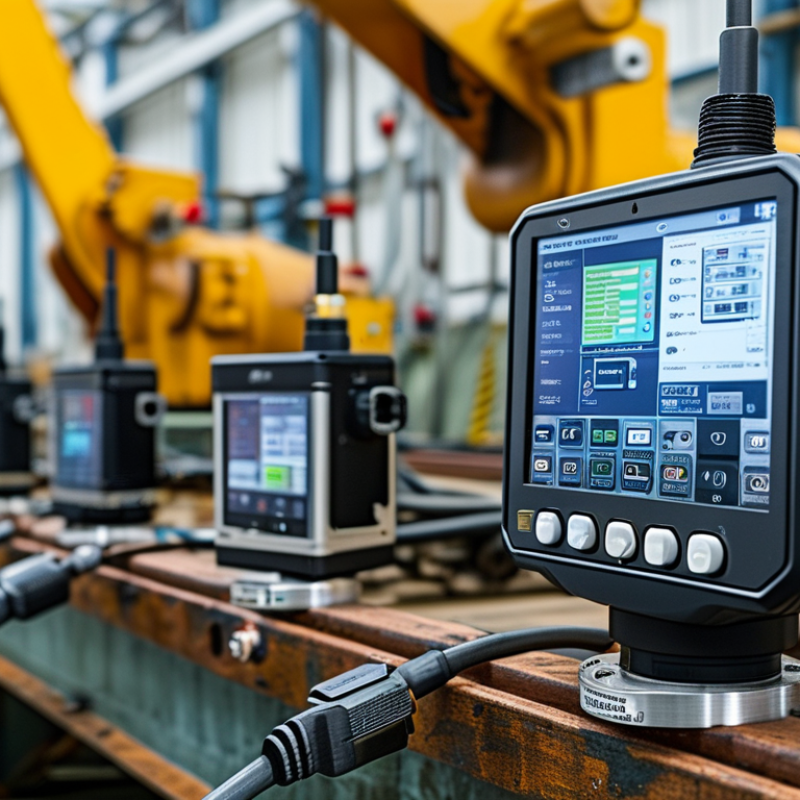
The HART (Highway Addressable Remote Transducer) protocol is a powerful communication standard widely used in industrial automation. It enables smart devices to communicate over analog and digital lines. Recent data indicates that more than 60% of industrial sensors and actuators utilize HART technology. This integration allows for better data management, wire saving, and enhanced diagnostics.
Understanding the applications of HART is crucial. This protocol supports monitoring and control of process variables, providing real-time data to operators. HART facilitates diagnostic measures that help in predictive maintenance. With an increase in data-driven decision-making in industries, using HART-enabled devices has become essential. Furthermore, the installation and setup of such systems can be complex, highlighting the need for users to choose optimal USB to HART adapters tailored to their specific requirements.
Not all USB to HART adapters are created equal. The best choice depends on factors such as the compatibility with existing devices, supported protocols, and ease of use. There can be challenges in ensuring reliable data transmission, especially in complex environments. Therefore, evaluating the specifications of these adapters is vital. The right adapter should provide sufficient connectivity while maintaining strong data integrity to prevent communication failures. In practice, users often find that balancing cost and performance in these selections can be a nuanced task.
| Feature | Description | Use Case | Price Range (USD) |
|---|---|---|---|
| Protocol Support | Supports HART and other industrial protocols | Process automation, remote monitoring | $100 - $300 |
| Driver Support | Windows, Linux, and macOS drivers available | Cross-platform compatibility | $80 - $250 |
| Power Supply | USB powered or external power supply options | Field device connection | $90 - $200 |
| Number of Ports | Single port or multi-port options | Connecting multiple devices | $150 - $350 |
| Dimensions | Compact, portable designs available | Fieldwork and mobility | $75 - $150 |
RT protocol?
HART enables these devices to communicate over both analog and digital lines, improving data management.
Real-time data allows operators to monitor and control process variables, aiding timely decision-making.
Ensuring reliable data transmission can be challenging, especially in environments with physical obstacles.
Consider compatibility, supported protocols, speed, range, and reliability when making your choice.
A robust build can ensure durability under harsh conditions, supporting reliable long-term performance.
Users may overlook essential features or overemphasize one attribute, which can lead to poor choices.
Higher speeds enable efficient data communication and reduce downtime in time-sensitive operations.
An adapter's range is crucial, especially in large facilities where physical barriers can weaken signals.
It's helpful to consider specific needs, balancing the importance of speed versus range in applications.
When selecting the best USB to HART adapter, it's essential to grasp the HART protocol and its various applications in industrial automation. Understanding the specific requirements of your system will guide you in choosing an adapter that meets your needs. Key features to prioritize include ease of installation, support for multiple devices, and software compatibility.
Additionally, assessing performance metrics such as speed, range, and reliability is crucial for ensuring effective communication between devices. Lastly, a careful evaluation of cost versus value will help you find an adapter that fits within your budget while still delivering the necessary functionality and performance. By considering these factors, you can confidently select the right USB to HART adapter for your projects.
