
Choosing the right Hart Interface Converter is crucial for effective communication in industrial automation. A recent study indicated that 75% of maintenance issues can be linked to poor data interpretation. This underlines the importance of selecting a reliable converter that meets specific operational needs.
Hart Interface Converters play a vital role in translating analog signals into digital data. This facilitates better monitoring and control of various processes. However, with numerous options available, finding the best fit can be overwhelming. Data from industry leaders show that about 80% of companies using Hart technology reported increased operational efficiency.
When selecting a Hart Interface Converter, consider compatibility, data accuracy, and user interface. Each application is unique, and a one-size-fits-all approach may lead to inefficiencies. Reflecting on past experiences can inform better choices. Understanding the nuances of these devices will achieve optimal results in automated environments.
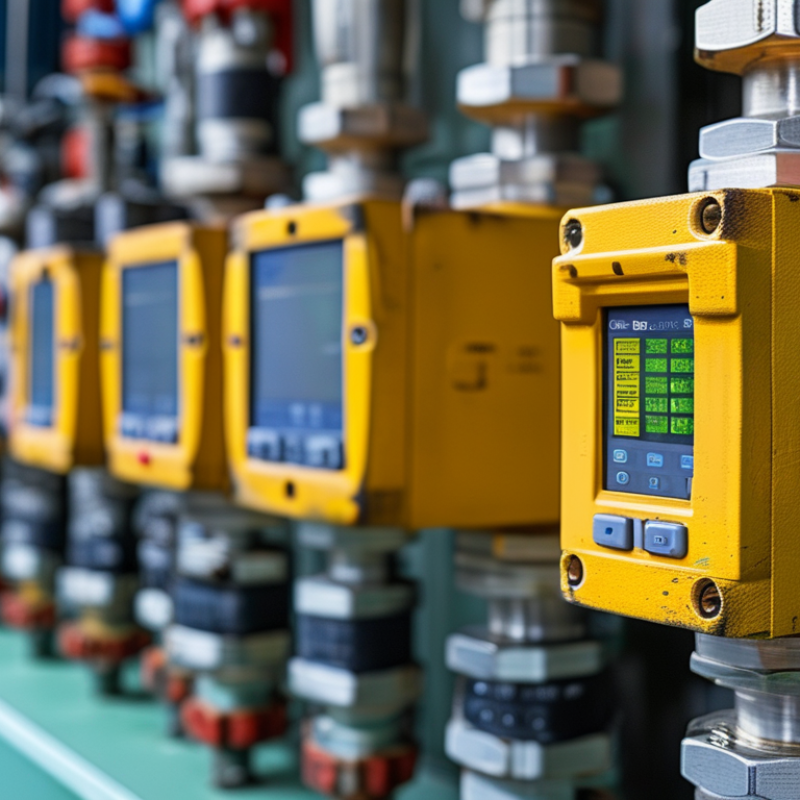
Understanding the basics of HART interface converters is crucial for effective communication in industrial settings. HART, which stands for Highway Addressable Remote Transducer, allows for digital communication between smart devices. Many devices in the field use HART for their diagnostics and configuration. However, an effective interface converter is essential to facilitate this communication.
When selecting a HART interface converter, consider the compatibility with your existing systems. Check the communication protocols and the data types you need to support. Not all converters handle both analog and digital signals effectively. It’s important to verify the specifications to avoid miscommunication. Inadequate converters may lead to data loss or inaccurate readings, which can disrupt operations.
Reflecting on the learning curve of using HART systems, it's clear that training is vital. Many operators struggle initially with digital communication complexities. Understanding how to troubleshoot issues is an ongoing process. Testing different setups may reveal unexpected challenges. Each experience enhances knowledge and skill in using HART interface converters more effectively.
When selecting a HART interface converter, key features can significantly impact your operational efficiency. One critical factor is compatibility. A converter must work seamlessly with your existing field devices. According to a recent industry report, nearly 40% of companies face integration issues when choosing a converter. Ensuring the compatibility of protocols can save time and resources in the long run.
Another factor to consider is data handling capabilities. Your converter should efficiently manage data flow between field devices and control systems. Many converters offer advanced diagnostics and troubleshooting features. These can enhance reliability and reduce downtime. A survey found that companies using comprehensive diagnostic tools reported up to a 25% improvement in maintenance response times.
Lastly, think about the ease of use. The user interface should allow for straightforward setup and maintenance. Complex systems can lead to confusion, which can hinder productivity. Keep in mind that while advanced features are beneficial, they should not come at the expense of usability. Balancing these considerations will help in making an informed decision that aligns with your operational needs.
Choosing the right HART interface converter starts with assessing compatibility with your existing systems. Many converters support various protocols, but not all devices can communicate effectively. Ensuring compatibility is crucial for seamless data transmission. Check the specifications of your current equipment. If they don’t match, you may face data loss or miscommunication.
Another aspect to consider is the software requirements. Some converters may need specific software for proper functioning. This can affect integration with your existing monitoring systems. Look for converters that easily interface with your current platforms. It may seem easy, yet this step requires careful evaluation. A mismatch can lead to frustration, wasted resources, and hindered productivity.
Take time to seek feedback from users who have similar setups. Their experiences can highlight compatibility issues. A poorly selected converter can complicate your processes. Be wary of overly technical jargon in product specifications. What seems clear may hide incompatibilities. Engaging with experts or user communities can provide insights that lead to better decision-making.
Choosing the right Hart interface converter requires a careful evaluation of performance specifications and capabilities. Start by identifying your specific needs. Consider the types of devices you will connect. Not all converters support the same protocols or standards. You must prioritize compatibility with your existing systems.
Pay attention to the data transmission speed. Faster speeds can enhance your productivity. Check the latency rates as well. High latency can lead to delays in data communication. Also, assess the input and output options. A model with multiple ports can be beneficial for complex setups. Ensure the converter can handle your required voltage levels.
Tips: Look for user reviews and feedback. Real-world experiences can provide insights that specifications do not reveal. Don’t overlook the importance of support and documentation. A well-supported product can save you time and frustration. Remember to ask questions. Clarifying doubts will help you make a more informed choice.
| Model | Communication Protocols | Power Supply | Input/Output Ports | Temperature Range | Dimensions (mm) | Weight (g) |
|---|---|---|---|---|---|---|
| Model A | HART, MODBUS | 24V DC | 2 x RS-232, 1 x RS-485 | -10 to 60 | 100 x 70 x 30 | 200 |
| Model B | HART, PROFIBUS | 100-240V AC | 3 x RS-232, 1 x Ethernet | 0 to 70 | 150 x 100 x 50 | 350 |
| Model C | HART, CANopen | 12V DC | 1 x RS-232, 2 x USB | -20 to 55 | 120 x 80 x 40 | 250 |
| Model D | HART, BACnet | 24V DC | 2 x RS-485, 1 x Ethernet | -10 to 65 | 130 x 90 x 45 | 300 |
When selecting a Hart interface converter, evaluating costs and value is crucial. The price of these converters can vary significantly based on features and compatibility. It’s essential to determine the specific functions you need. For example, if your application requires advanced diagnostics, you may find higher-priced models more beneficial. Conversely, a basic model might suffice for straightforward tasks.
Consider not just the upfront cost but also the long-term value. A cheaper converter might save money initially but could lack durability or support. Frequent replacements or repairs can lead to higher expenses. Additionally, some devices offer extensive warranties. Opting for better quality may seem expensive, but it can reduce frustration in the long run.
Ultimately, the right choice depends on your unique needs. Reflect on how often you will use the converter and the complexity of your needs. A thorough comparison of specifications and user reviews can provide essential insights. Assessing both cost and value ensures that you are making an informed decision that aligns with your operational requirements.
This chart compares the costs and value of Hart interface converters with basic, intermediate, and advanced features. As the complexity increases, so does the cost, but the value provided also demonstrates an upward trend, indicating that higher-priced models tend to offer better performance and features.
RT interface converter?
Compatibility ensures seamless communication and avoids data loss between devices.
It may lead to miscommunication, inaccurate readings, and disrupt overall operations.
The converter should efficiently manage data flow between devices and control systems.
Advanced diagnostics can enhance reliability and reduce downtime significantly.
A complex interface can hinder productivity and create confusion during setup.
Yes, operators may struggle initially and require ongoing training to troubleshoot issues.
User experiences can reveal potential compatibility issues and guide better choices.
No, advanced features should not compromise usability or compatibility with existing systems.
Yes, hands-on experience can lead to unexpected insights and improve overall skills.
Choosing the right HART Interface Converter is crucial for ensuring seamless communication between devices in industrial automation. To begin, it’s important to understand the basic functionality of HART converters, which enable digital communication over standard 4-20 mA signaling. When selecting a converter, key features such as protocol compatibility, data transmission speeds, and ease of integration should be carefully assessed.
Furthermore, compatibility with existing systems is essential to avoid integration issues. Evaluating performance specifications and capabilities will help determine the most efficient option for specific applications. Finally, comparing costs versus value is vital, as it ensures that the selected HART Interface Converter meets both your operational needs and budget constraints effectively. By considering these factors, you can make an informed decision tailored to your unique requirements.
